
Out Loud: Luxon’s love for Kiwi-Indians doesn’t show in Parliament
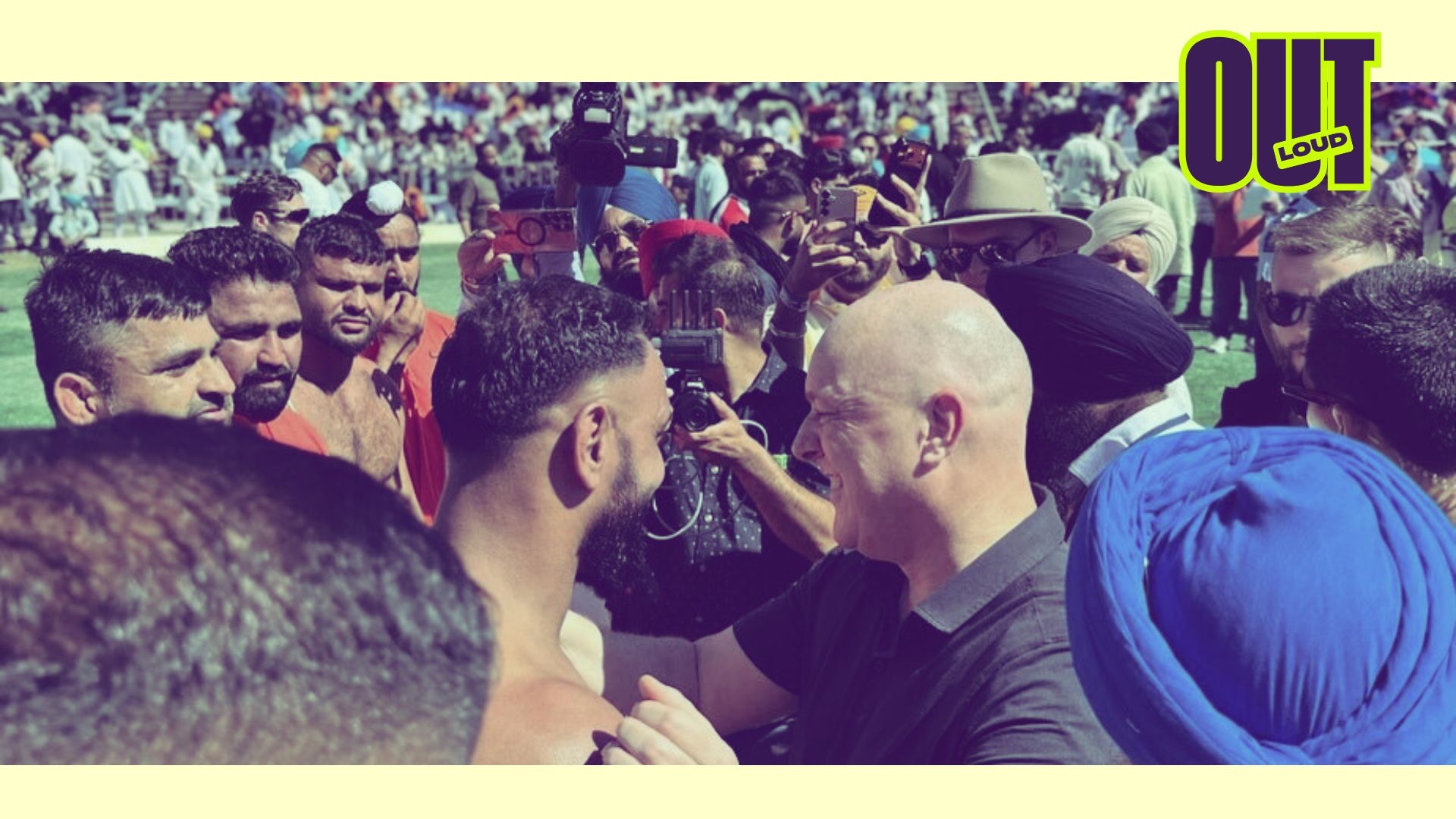
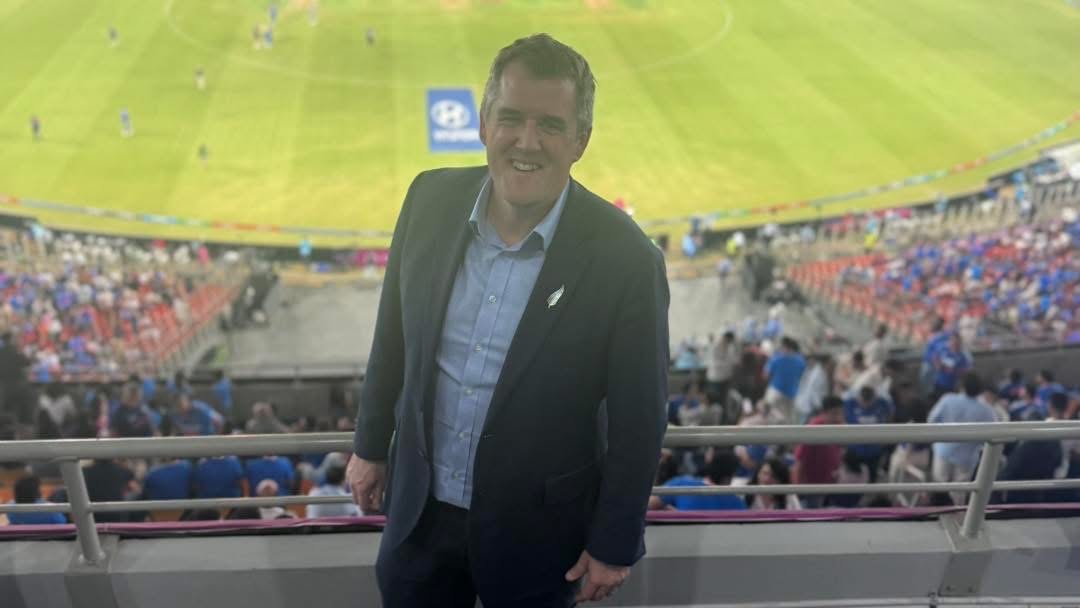
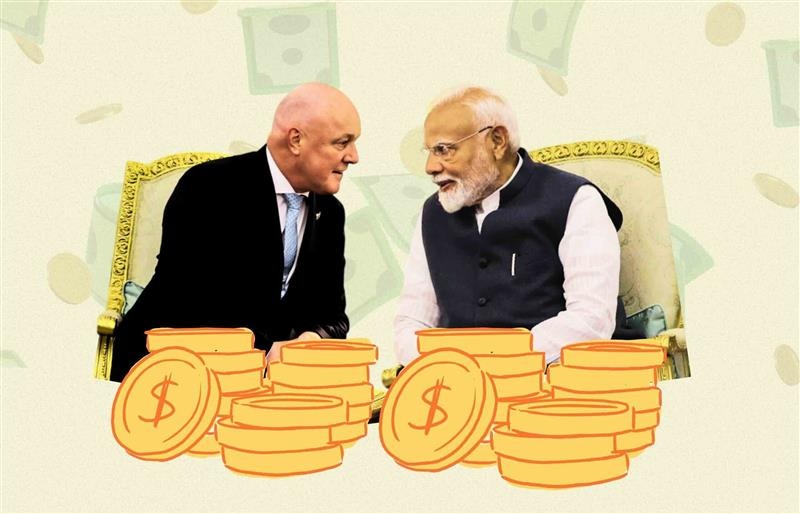
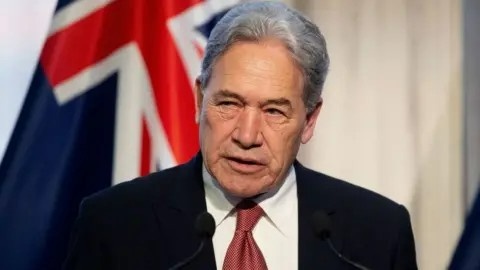
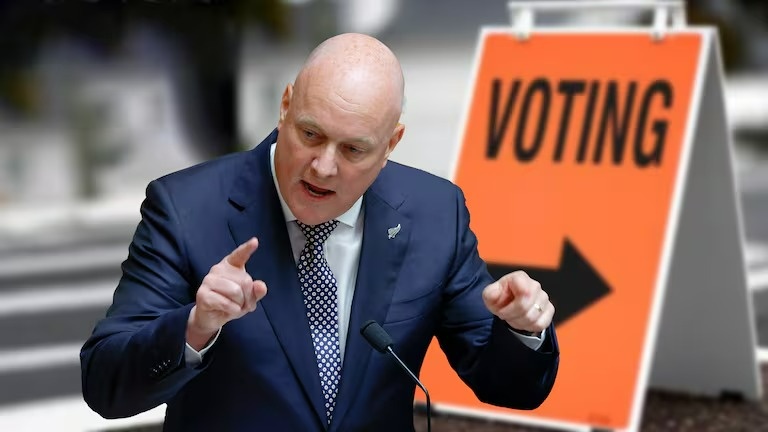
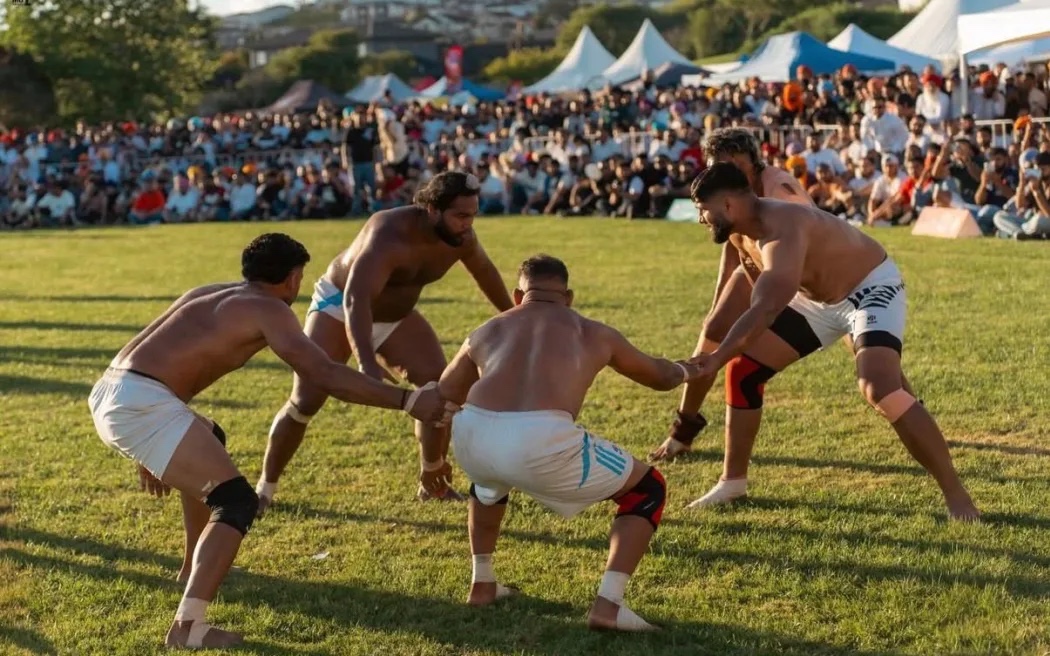
Prime Minister Christopher Luxon at Kabaddi World Cup tournamet at Takanini on December 7, 2025. (Instagram/@rimanakhlenz))
When an entire population group is missing from the governing party, policy blind spots are not an accident.
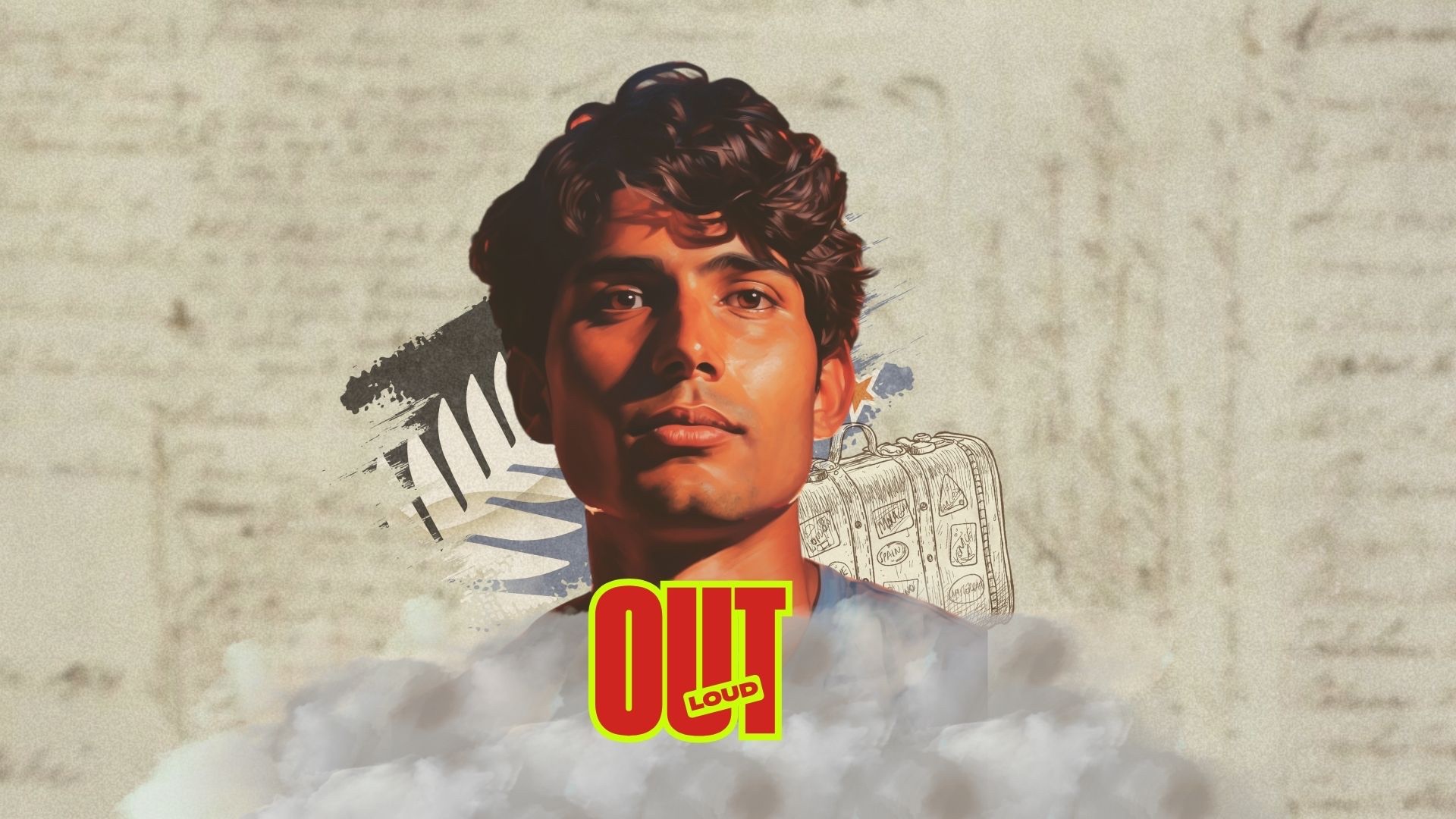
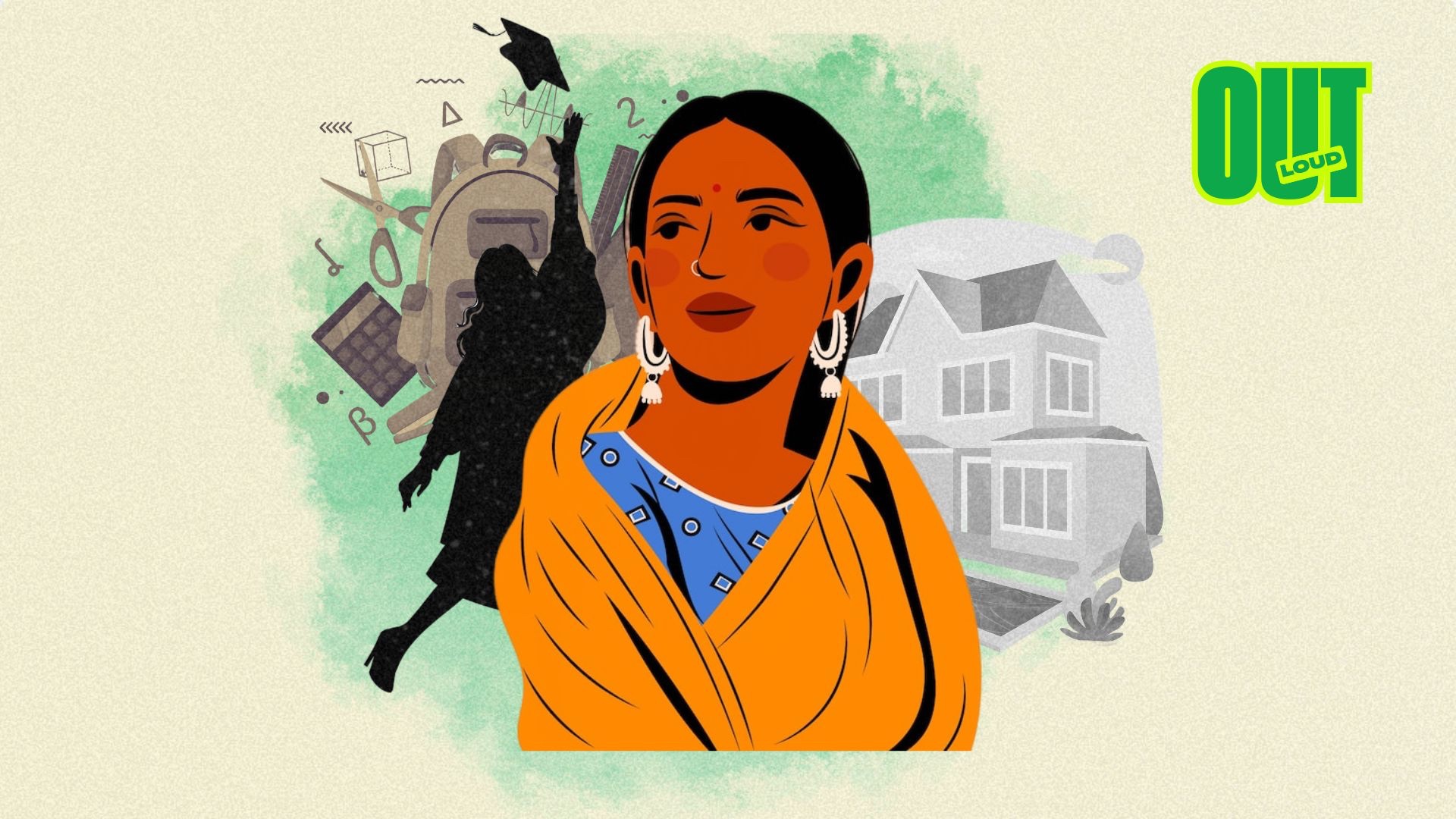
('Out Loud' is an opinion column that takes the political, cultural and social debates Indian migrant households save for home and says them out loud, consequences pending.)
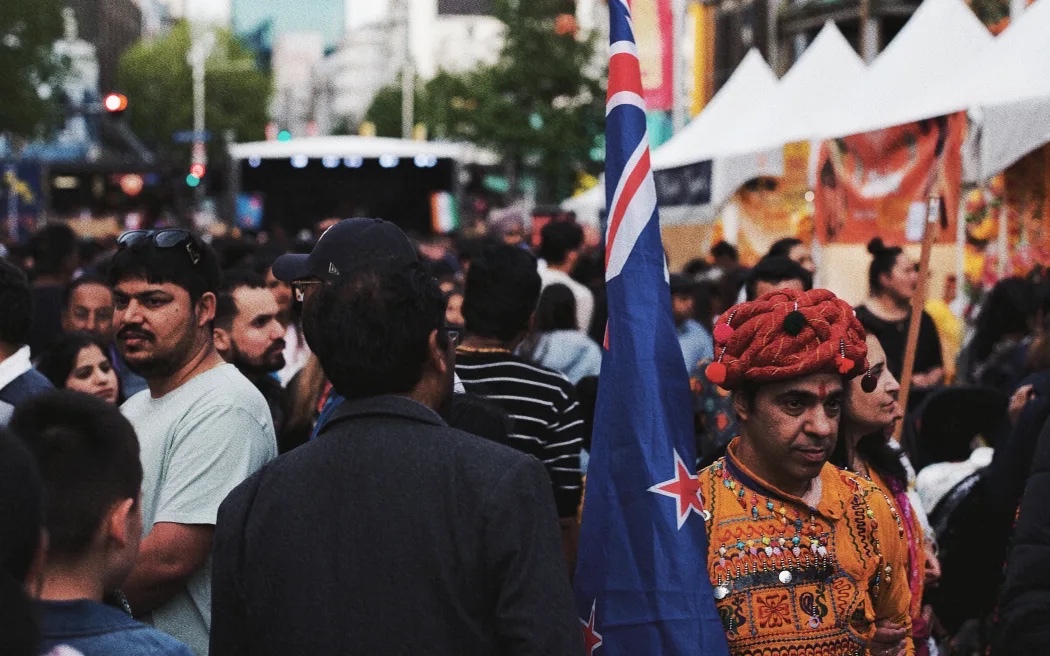
On a sunny December Sunday last year, Prime Minister Christopher Luxon arrived in South Auckland’s Takanini suburb with a smile reserved for babies, business breakfasts and multicultural festivals, where showing up perhaps counts more than understanding what’s going on.
He spun jalebi spirals, took photos with kabaddi players and organisers, and posted on social media about the wonderful outing he had. The images were everywhere. A pleasant, well-lit slice of engagement to brighten the weekend news cycle.
On its own, there was nothing wrong with the visit. Kabaddi carries cultural weight; the South Asian community is huge; and prime ministers, like many of us, go where they are invited. But something about the clip lingered.
teachers More than $5,000 has been raised through a community appeal launched by content creator and influencer Eliki Dakuitoga to provide emergency financial support to teachers affected by the recent salary stoppage.
Investments promising social or environmental benefits need tougher anti-greenwashing rules Investment funds increasingly promise to deliver social or environmental benefits alongside financial returns. Regulators rightly ask if these “impact investment” claims are accurate. But we also need to ask what happens when an investment’s promised impact fails to materialise,
this is a new story this is a new story
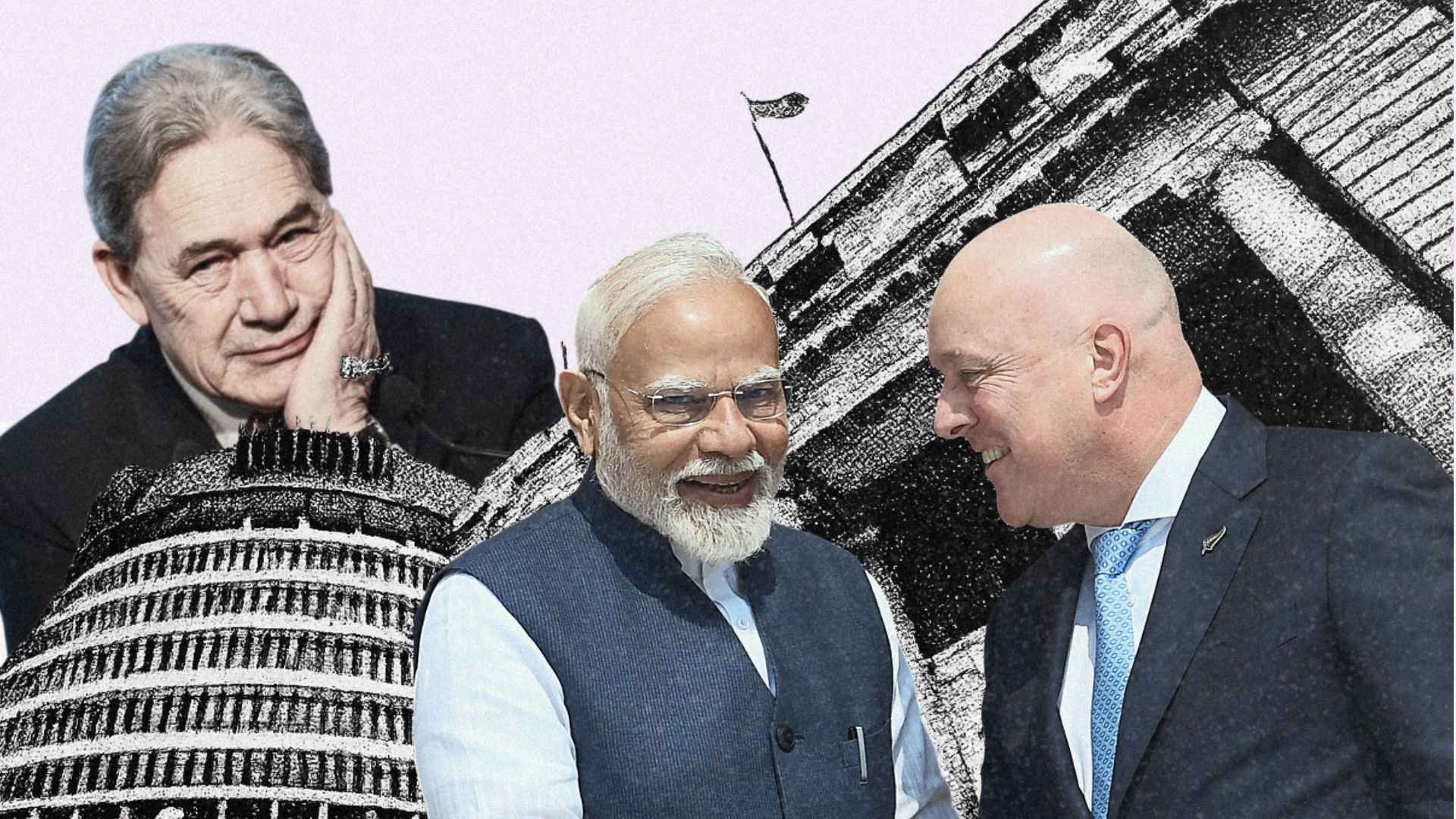
The photo – warm, easy, uncomplicated – stood in contrast to a harder truth: Luxon and his National Party colleagues are all in at Indian community events, but they haven’t taken even one Indian New Zealander to the current Parliament.
In 1996, New Zealand elected its first MP of Asian descent. Today, the sitting Parliament has 12 Asian-heritage MPs, the most in the country's history. Asians make up about 17.3 per cent of the population and now hold roughly nine to 10 per cent of the seats. Slowly, unevenly, and with plenty of gaps, the House is beginning to resemble the country that elects it.
Indian New Zealanders are one of the country’s largest and fastest-growing communities. They fill suburbs, classrooms, small businesses, research labs and hospital corridors. They appear consistently in the datasets measuring future workforce growth and economic contribution. But in the governing National Party’s caucus room, the representation sits at a clean, uncomplicated zero.
This was not for a lack of candidates. In the 2023 general elections, National nominated more Indian-origin candidates than any other party: Siva Kilari, Mahesh Muralidhar, Navtej Singh Randhawa, Karuna Muthu and Ankit Bansal. Election Commission data shows two of these gentlemen were top fundraisers for National’s campaign that year. On paper, this looked like commitment. But elections are won by numbers, not intentions, and the numbers tell a different story.
Under New Zealand’s electoral system, your party puts you on a ladder. This ladder is called the List. The higher you are, the better shot you’ve got to sit in Parliament. In 2023, National placed its Indian candidates so low on this ladder none of them had a realistic path into Parliament, unless they pulled off unlikely electorate wins in opposition strongholds. They didn’t. So, despite the appearances and the outreach and the community dinners, National entered Parliament without a single Indian MP.
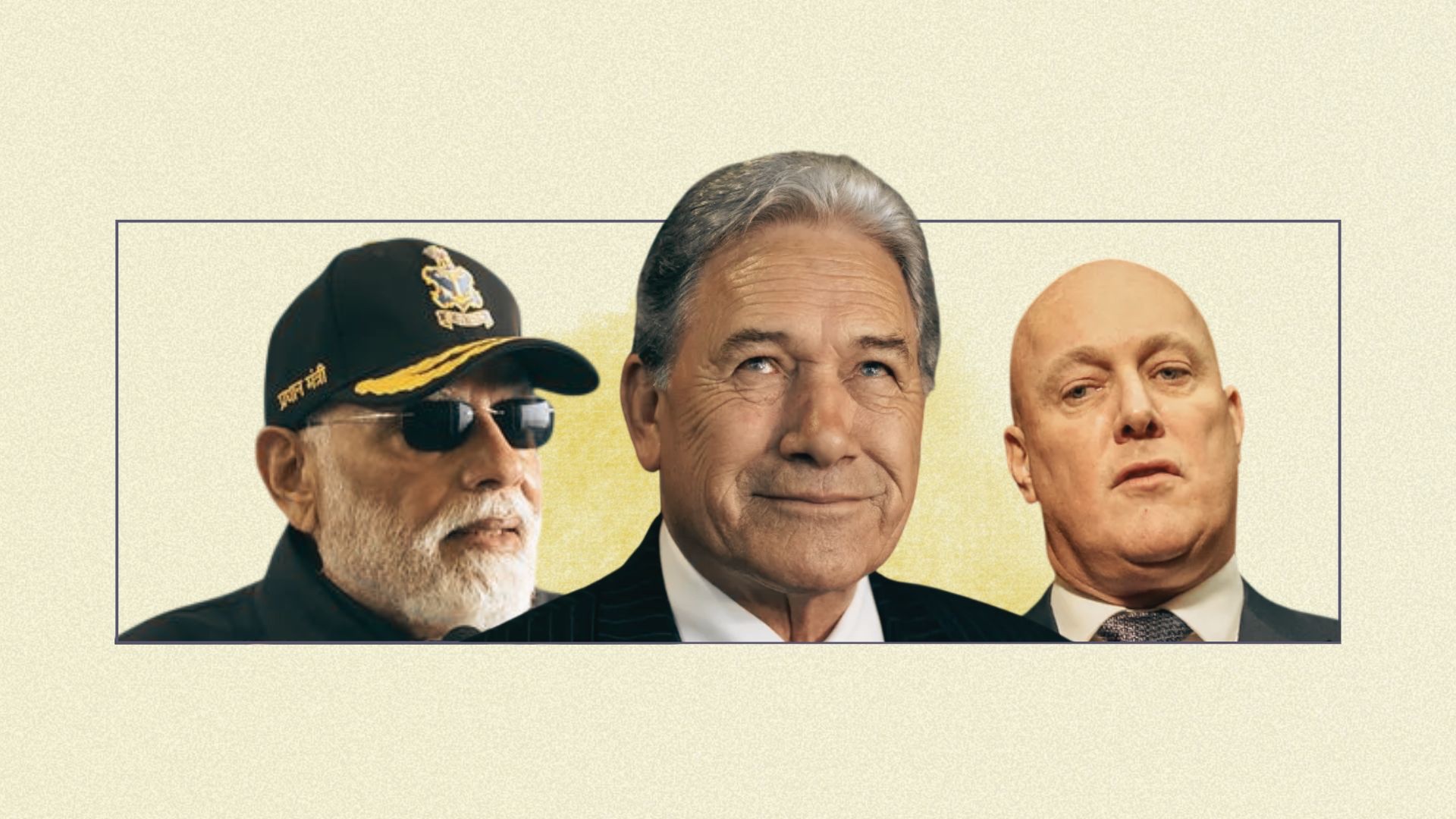
Contrast this with the rest of the political landscape. In 2020, the Labour Party made Priyanca Radhakrishnan New Zealand’s first Indian-origin Cabinet minister. She continues to sit in Parliament as a third-time member. ACT, a party so small its caucus in the current House could fit into a large rideshare, still found room for an Indian MP in Parmjeet Parmar.
Even New Zealand First, which positions itself in the immigration-wary corner of national politics, has sent an Indian-origin MP to Parliament in the past. Mahesh Bindra served as an NZ First List MP from 2014 to 2017. It was a brief, unusual chapter, but it remains a reminder that representation is possible even in places you might least expect it.
National has had two Indian-origin MPs in nearly three decades of MMP. Kanwaljeet Singh Bakshi served three terms, from 2008 to 2020. Parmjeet Parmar was in Parliament from 2014 to 2020 before she joined the ACT Party in 2023.
The deeper tension here is not merely numerical. Representation is about who gets to shape decisions and narratives, whose lived experience informs the questions asked in meetings, whose concerns are raised before bills are drafted, whose communities are not an afterthought but part of the architecture of government. When an entire population group is missing from the governing party, policy blind spots are not an accident; they are a structural outcome.
That is why the kabaddi photo sits uneasily. It is not the visit itself that's problematic. Communities welcome leaders and they will continue to. It is the dissonance between the image and the institution behind it. The PM’s presence in Takanini signalsrecognition. The absence of any Indian MP in the National’s parliamentary caucus signals the opposite.
The image of Luxon walking across that kabaddi field, smile warm and polished, doesn’t really tell a lie. It captures a moment of goodwill. But politics is not measured in moments; it is measured in structure. Until National finds room for Indian representation in the place where decisions are made (not just where photos are taken), the distance between its outreach and its outcomes will remain the defining story.