
India-NZ FTA: Hipkins seems all in, but not quite
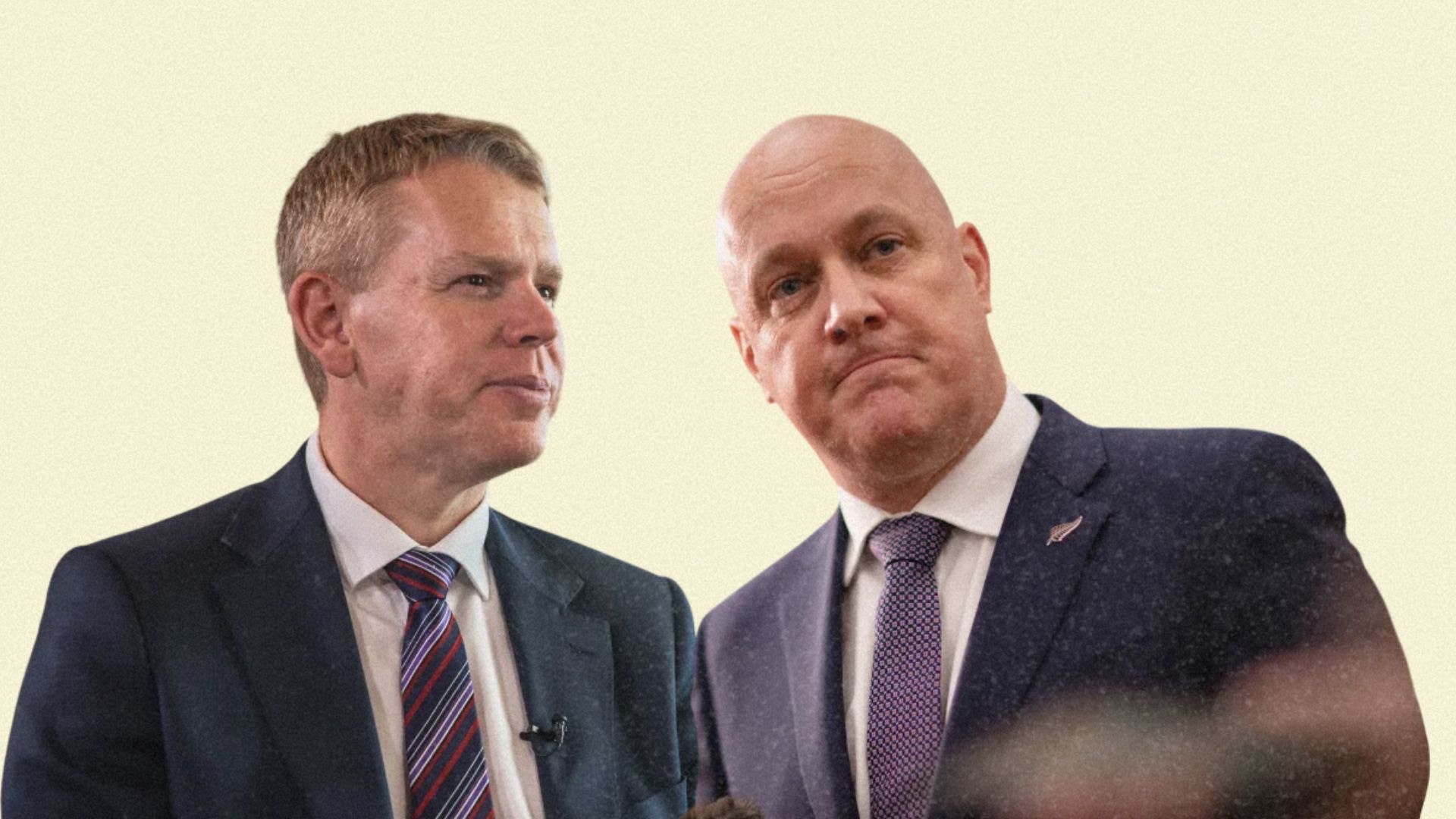
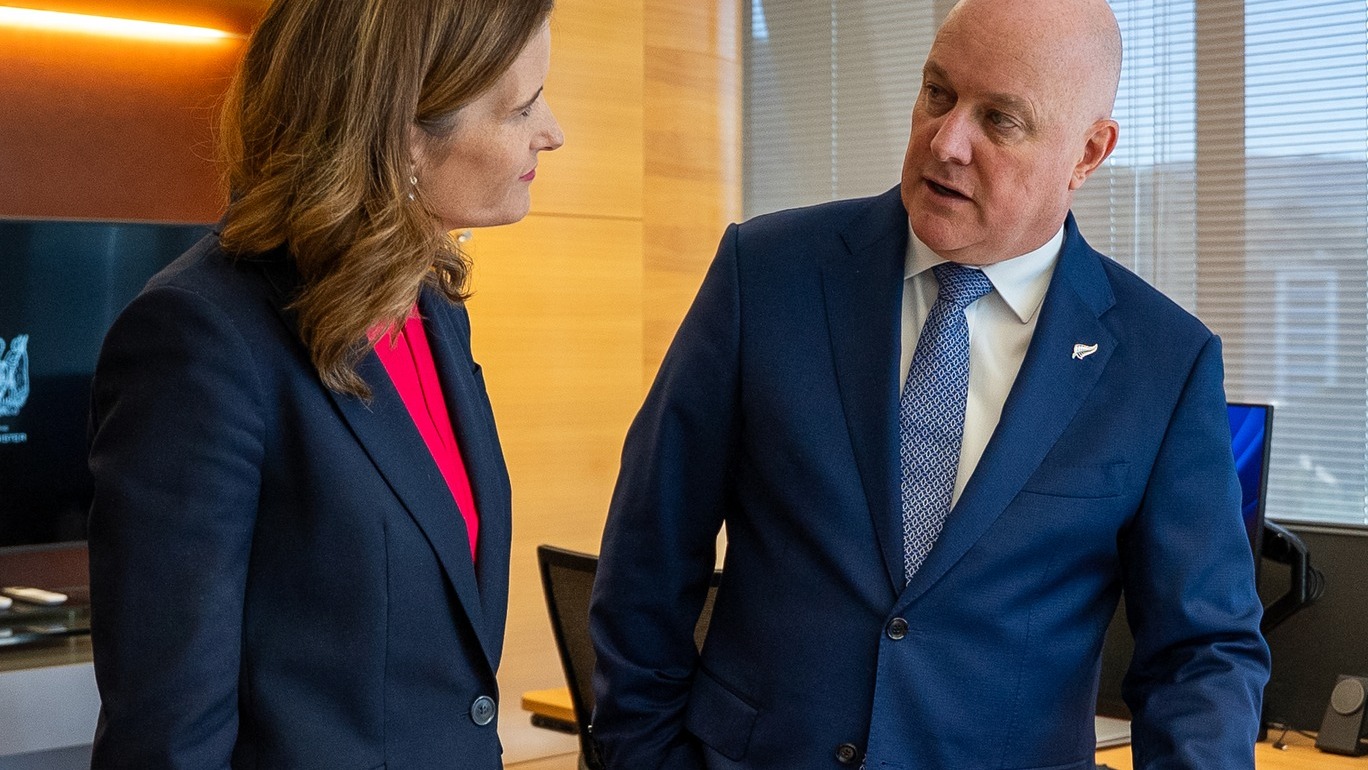
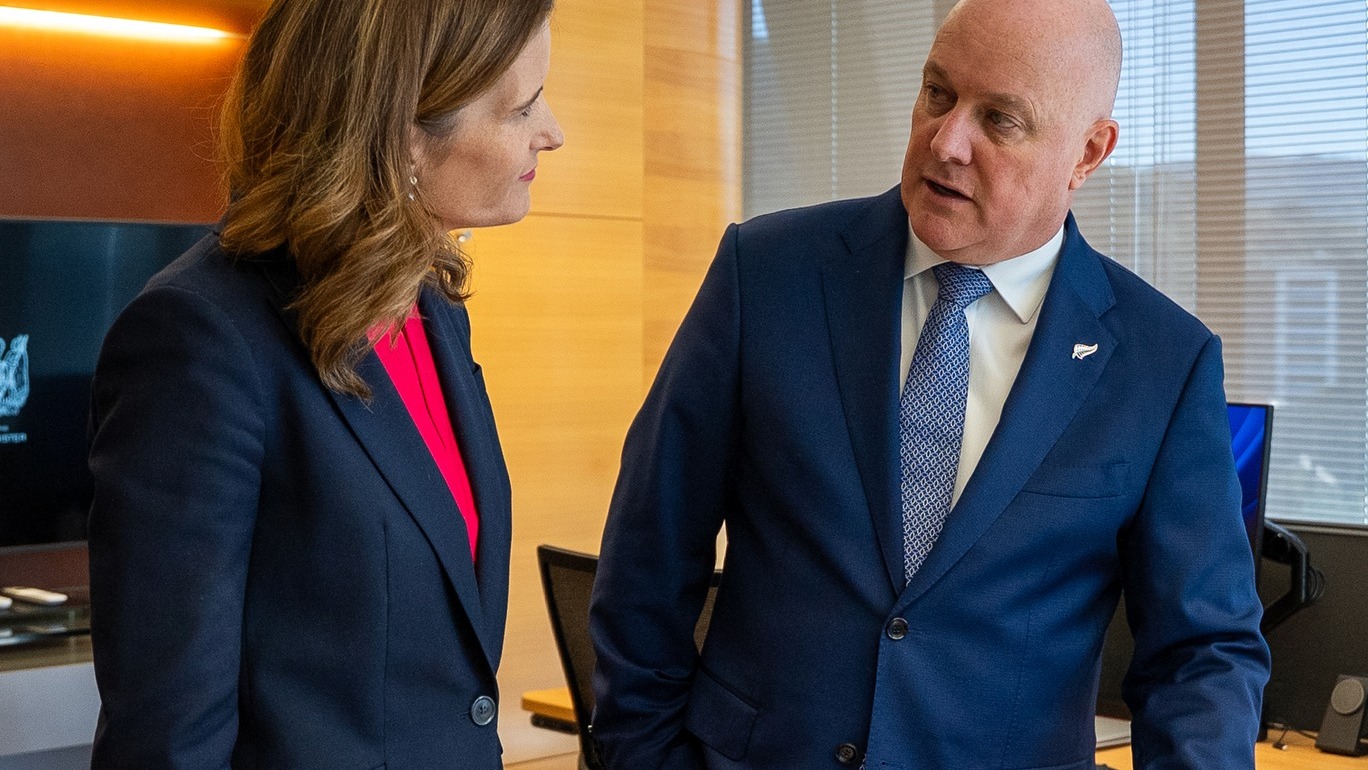
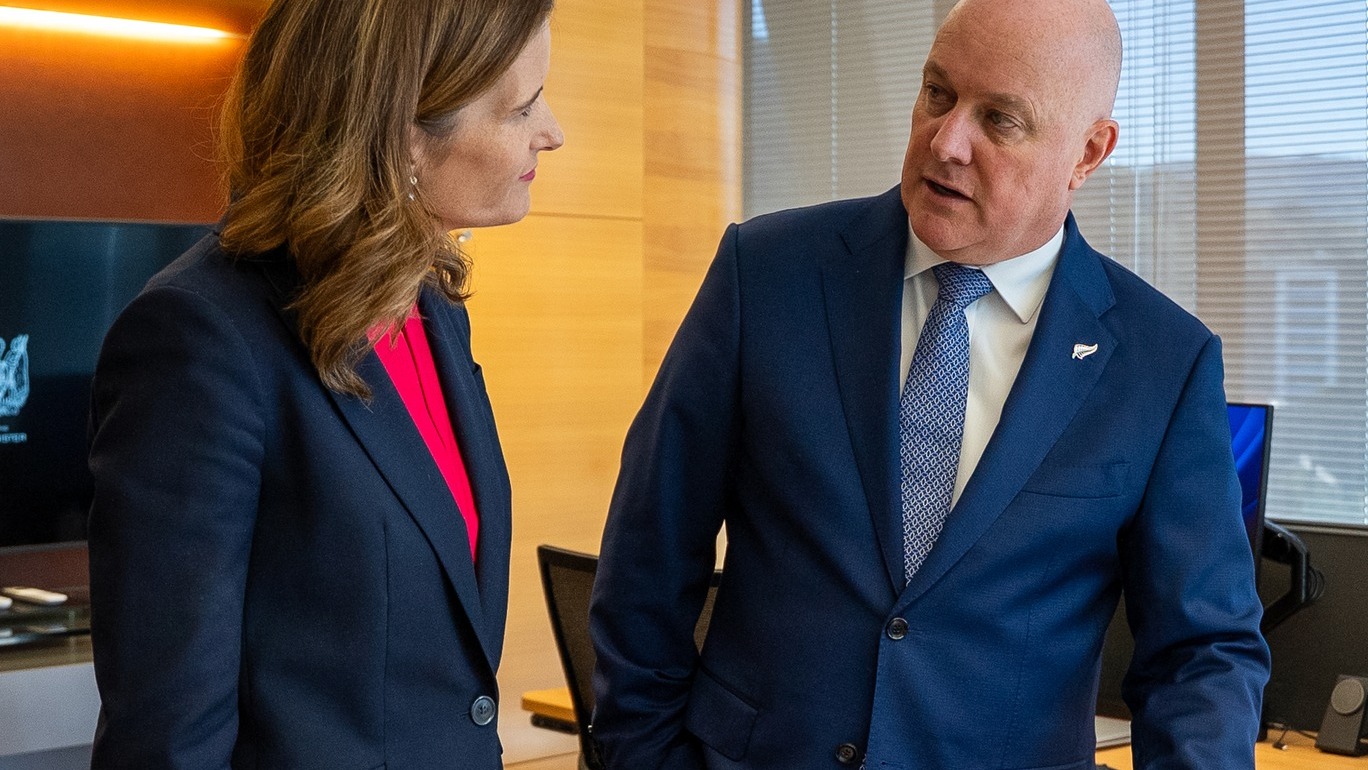
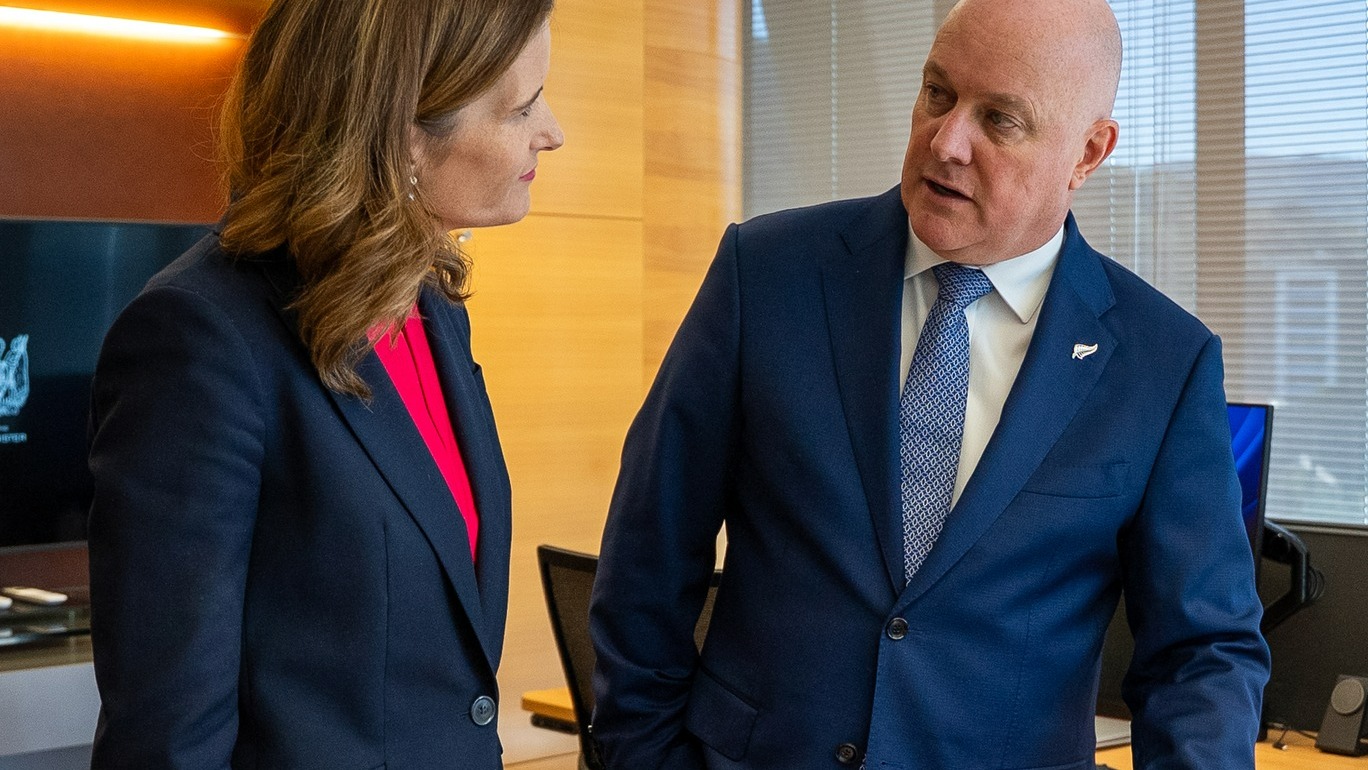
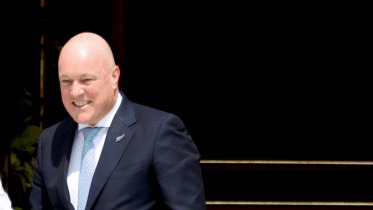
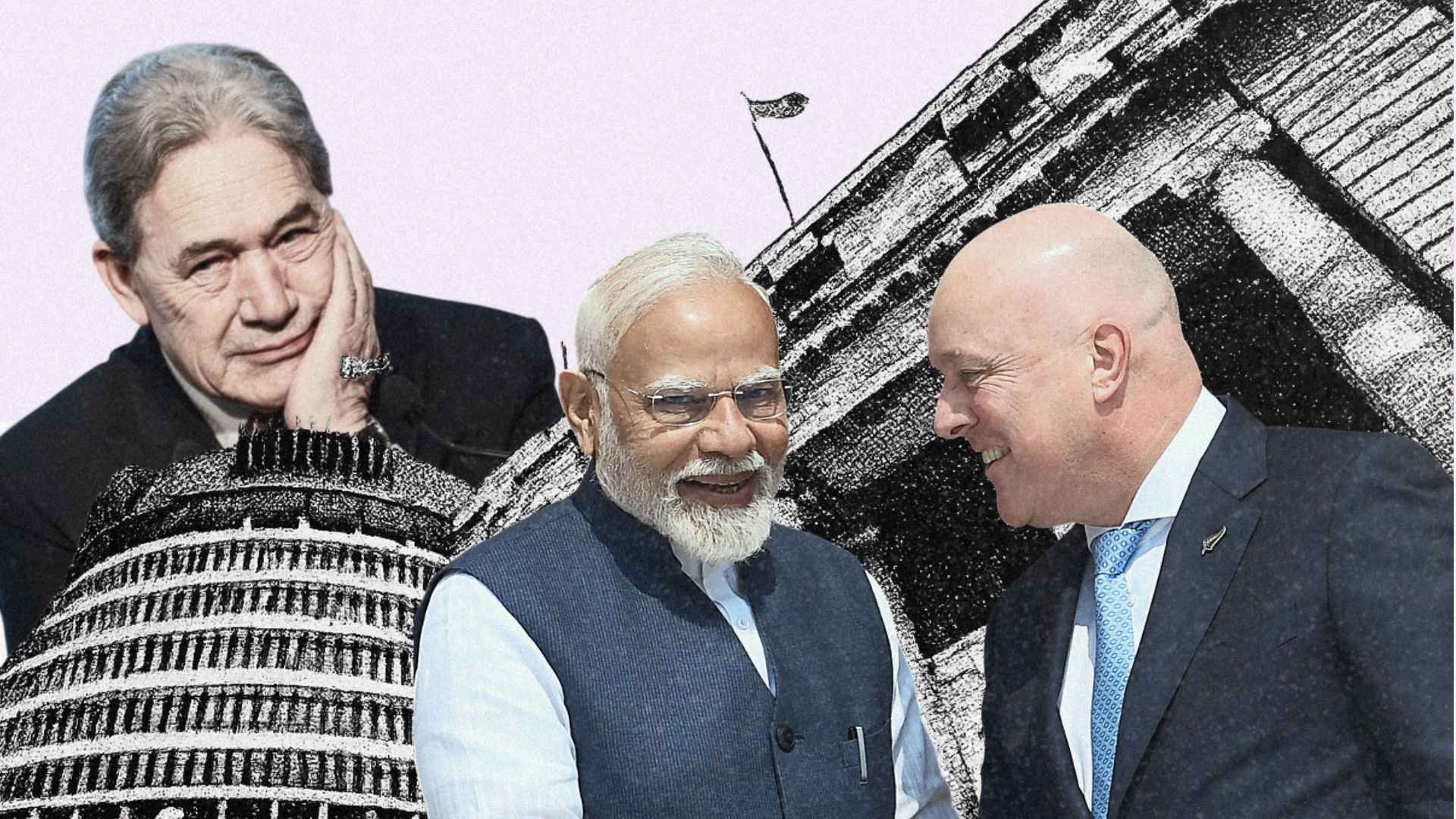
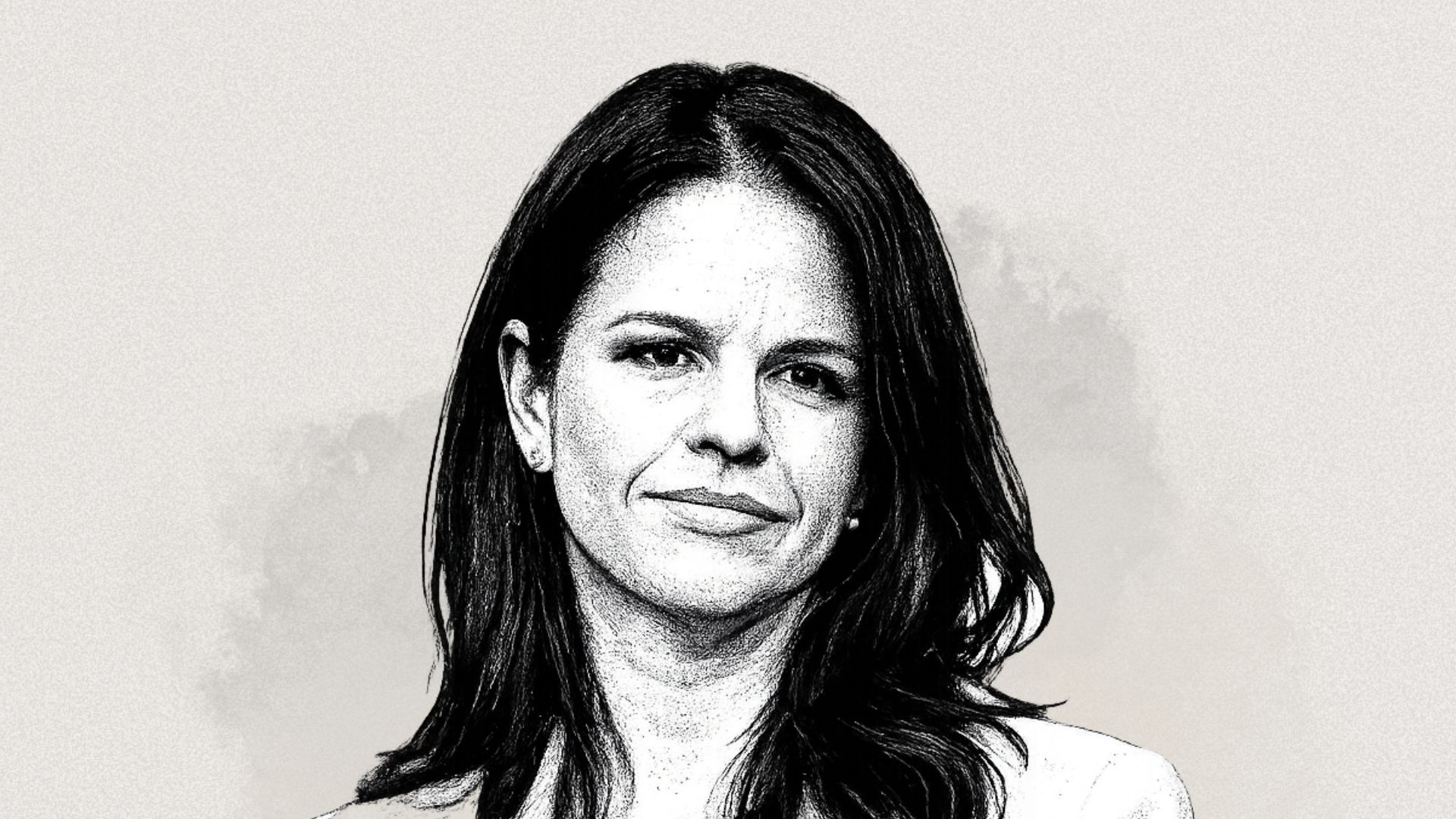
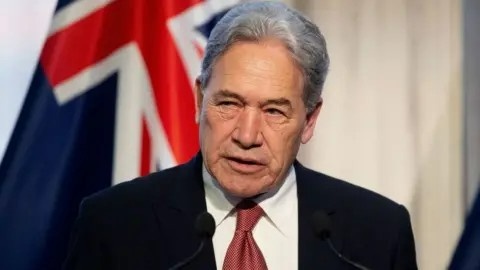
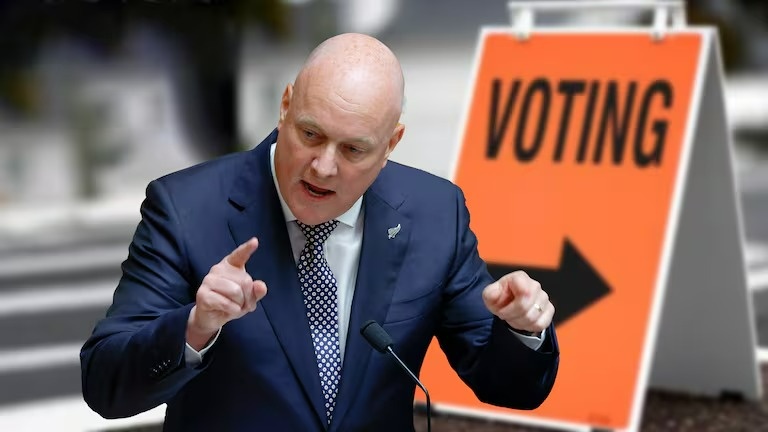
Labour leader Chris Hipkins and prime minister Christopher Luxon.
The Labour leader seems supportive of the deal but not without caveats.
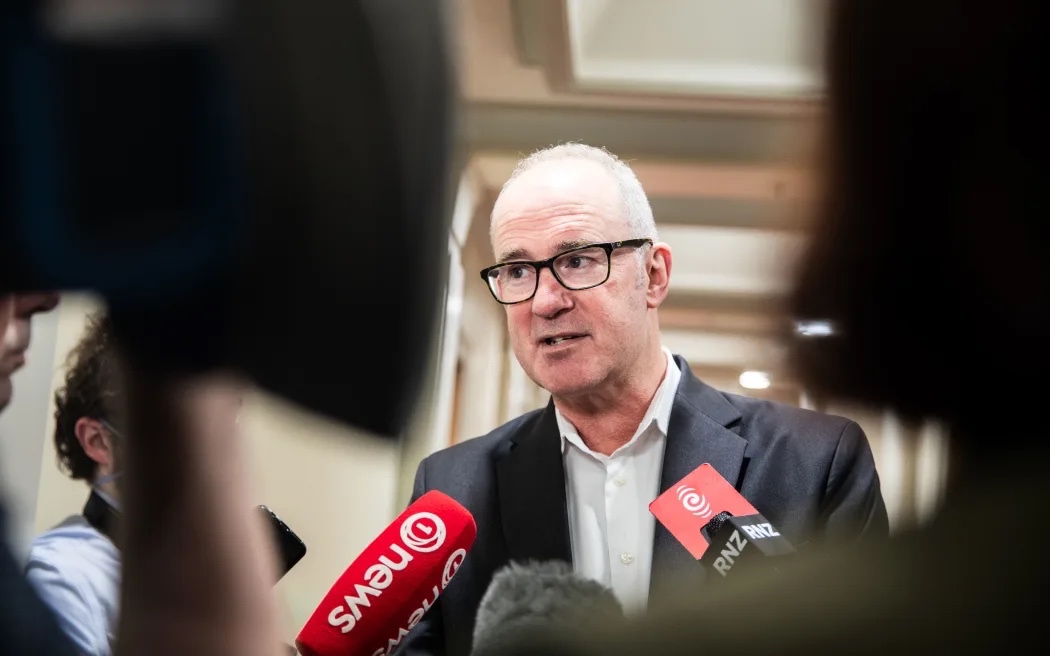
Analysis: Chris Hipkins seems to be hedging his bets as the Labour leader is now being asked whether his party will cast the deciding vote to enable the India-New Zealand free trade agreement (FTA).
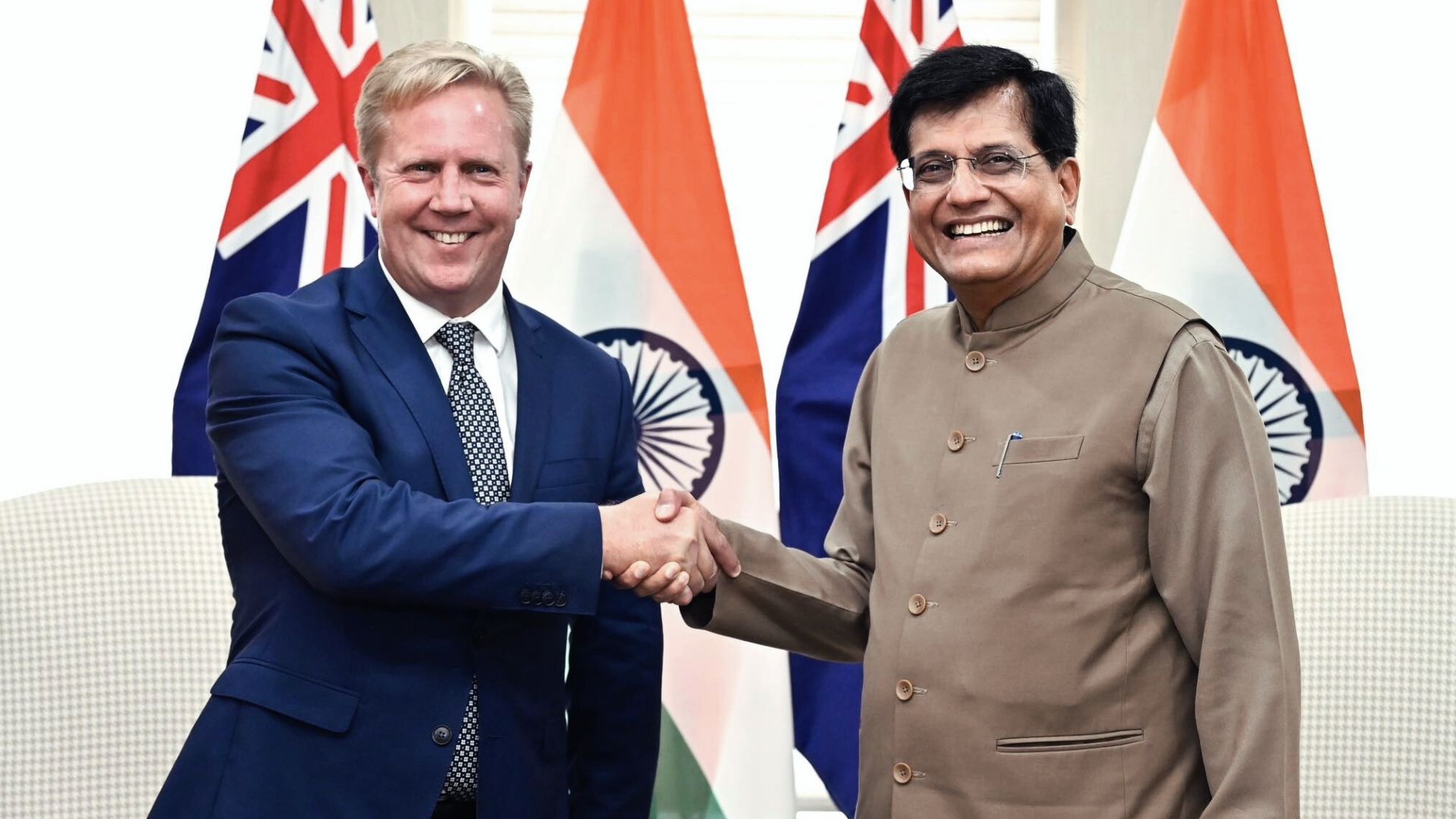
The negotiations for the deal concluded in December last year, and the Parliament must clear it before the government can ink the agreement with India. That decision now rests solely on Labour, given National's ruling coalition partner New Zealand First has said it won't support passage of the deal.
In an interview with NZME's Herald NOW on Tuesday, Hipkins said the agreement is before the Labour caucus and that MPs “will be discussing it today… so that we can then provide feedback to the government on where we’re likely to land”.
The supportive tone would reassure trade-friendly voters, yet the refusal to bless the agreement outright seems to be keeping room to maneuver if caucus spots trouble in the confidential briefing. Hipkins said a key caution was migration. He acknowledged that “we have been very supportive of New Zealand’s trading agreements in the past” but immediately added, “we’ve got some questions about this one that we need to understand the details of before our team lands on its final decision.”
teachers More than $5,000 has been raised through a community appeal launched by content creator and influencer Eliki Dakuitoga to provide emergency financial support to teachers affected by the recent salary stoppage.
Investments promising social or environmental benefits need tougher anti-greenwashing rules Investment funds increasingly promise to deliver social or environmental benefits alongside financial returns. Regulators rightly ask if these “impact investment” claims are accurate. But we also need to ask what happens when an investment’s promised impact fails to materialise,
this is a new story this is a new story
Pressed on what he was worried about, Hipkins replied, “One is looking at the immigration, you know, agreement and whether or not that actually results in additional migration to New Zealand or whether it’s simply… already catered for by migration we were expecting anyway.”
Moments later he praised the benefits of immigration. “It’s brought a lot of people with skills and passions and so on to New Zealand, and that’s been healthy,” he said, following that up with a caveat on infrastructure gaps.
"I think we can all see that we haven’t built enough houses, we haven’t built enough transport, we haven’t built enough infrastructure to cope with that population growth.”
The juxtaposition seemed stark. Hipkins is effectively saying Labour welcomes migrants but fears the state can’t keep up. That framing shifts scrutiny from the trade deal's trade-offs to the domestic capacity problems that accumulated, in part, on Labour’s watch.
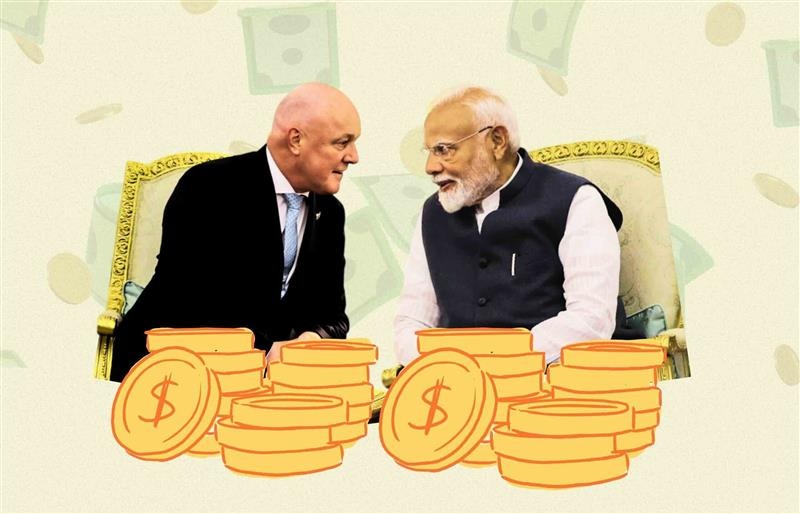
The second reservation he voiced was the FTA’s investment obligations, referring to New Zealand's commitment to facilitate investment in India of about NZ$34 billion over 15 years. “We want to look at the investment requirement, the requirement for New Zealand to invest in India, and what that ultimately means, because that’s relatively novel. We haven’t seen that in many of our trade agreements previously,” he said.
Hipkins highlighted complexity without declaring opposition, a balancing act that would demonstrate diligence to business audiences and hints the government may be glossing over unusual concessions. He rounded out his list with the traditional dairy concern, insisting Labour must ask “was a better deal for dairy possible”, a nod to exporters who feel perennially shortchanged.
He was then asked if Labour might impose an immigration cap if it were to return to power this year. “You’ve just literally made that one up," he told the interviewer. “We haven’t set out our immigration policy for this year’s election. We’re working through that at the moment.”
Hipkins, it would appear, is buying time. If the caucus decides the immigration annex merely re-labels existing visa pathways and the investment clause is manageable, he can flip to a full-throated endorsement, claiming Labour’s scrutiny ensured safeguards.
If the caucus members were to uncover clauses that could stretch infrastructure or impose onerous investment commitments, Hipkins can point back to his concerns as proof Labour raised red flags early. Either way, he avoids handing National and New Zealand First an easy talking point – that “Labour backed us from day one” – while still reminding voters of his party's pro-trade pedigree.
Hipkins' tightrope walk comes with considerable risks though. By admitting “we haven’t built enough houses” despite six years in government till the end of 2023, Hipkins invites criticism that Labour created the very capacity problems he now cites as a reason to hesitate.
His admission that immigration policy hasn’t been “top of the list” also raises doubts about whether Labour has a coherent alternative ready for voters. Nonetheless, for an opposition leader confronting a complex trade pact negotiated by rivals, the Labour leader's stand makes sense – applaud the principle, spotlight unanswered questions, and keep political leverage until the full text (and the caucus verdict) arrive.