
Why are teeth left out of public healthcare?
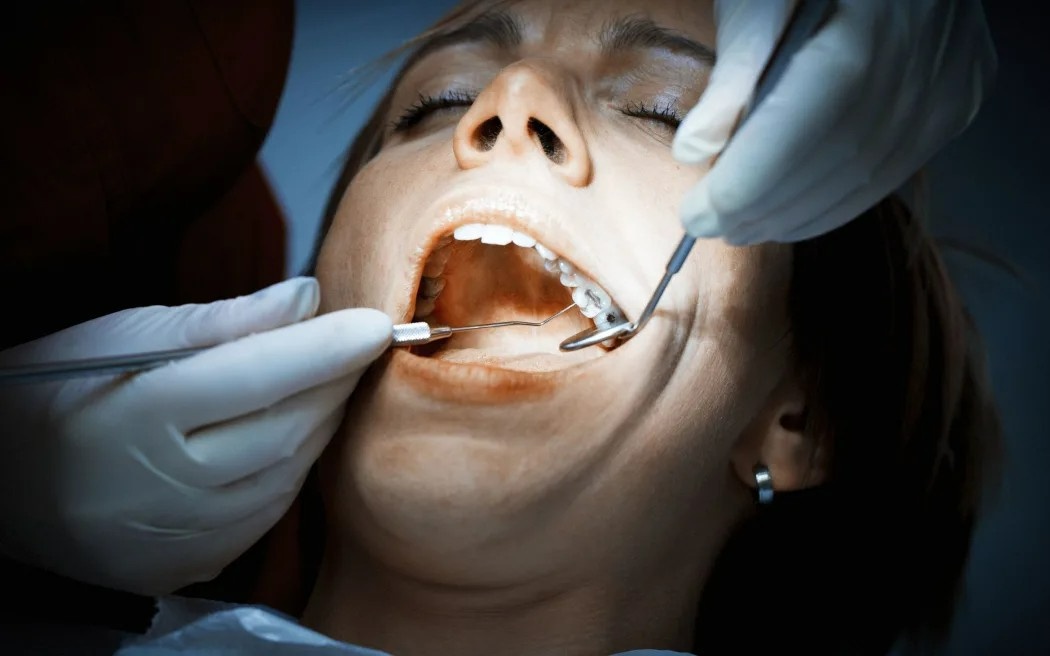
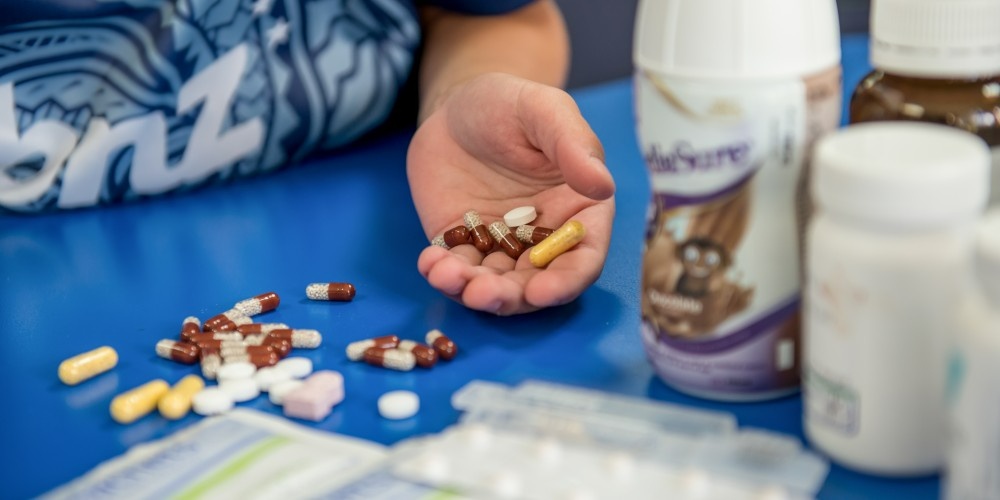
Dental grants of up to $1000 are available to people on low incomes and with limited assets each year. (Photo: 123RF)
Total cost of excluding dental care from public health costs higher than including it.
Tens of millions of dollars are being paid out in dental grants each quarter - and advocates say the total cost of excluding dental care from the public health system is more than the government would have to pay to fund it.
Dental care is generally only publicly funded for people who are under 18.
Ministry of Social Development data shows that in the March quarter of last year, just under 30,000 dental grants were issued, worth a total of $22.2 million.
Of those, 9330 were recoverable.
The quarter before, there were 28,398 worth $21.098m. In the three months before that, there were 33,045 worth $24,853.
Through 2023, there were similar numbers granted and a total of $90.199m issued in grants for the 12 months.
Dental grants of up to $1000 are available to people on low incomes and with limited assets each year. This does not have to be paid back. Grants above this amount may need to be repaid.
In a recent report, Citizens Advice Bureau said its clients were worried about the cost of dental treatment.
"Clients are finding that dental treatment needs to be deemed as immediate and essential treatment to receive an emergency Work and Income grant. People who are struggling with eating or speaking due to long-term dental issues cannot find funds to cover the dentures required after tooth extraction. Dentists are not willing to remove a client's teeth if there is no possibility of dentures being purchased.
"Clients are looking at different options, such as creating a dental plan with the dental care provider, going to their local hospital emergency department, arranging food parcels while they pay off dental bills, withdrawing KiwiSaver funds, and seeking help from budgeting services. When clients get recoverable assistance, their benefit is reduced to pay it back, which often leaves them without enough money for basic living costs."
It said one client had been referred to it by Work and Income because he could not pay for dentures.
"They can only offer an advance which he would need to repay, but as he cannot afford the $60 per week that he would require to do this, they have declined his application...Miles has been required to take medicine for many years causing the issues with his teeth. Despite this medical treatment being needed due to an accident, ACC will not help Miles as they do not cover an injury that is a normal side effect of medical treatment. Work and Income policy states that an emergency grant covers only immediate and essential dental treatment and does not include dentures."
Data from the NZ Dental Association in 2023 showed that the cost of procedures had risen substantially over the previous three years, in some cases by more than 20 percent.