
New licensing reforms to make getting

court
The current system is expensive, outdated and no longer works as well as it should, the minister says.
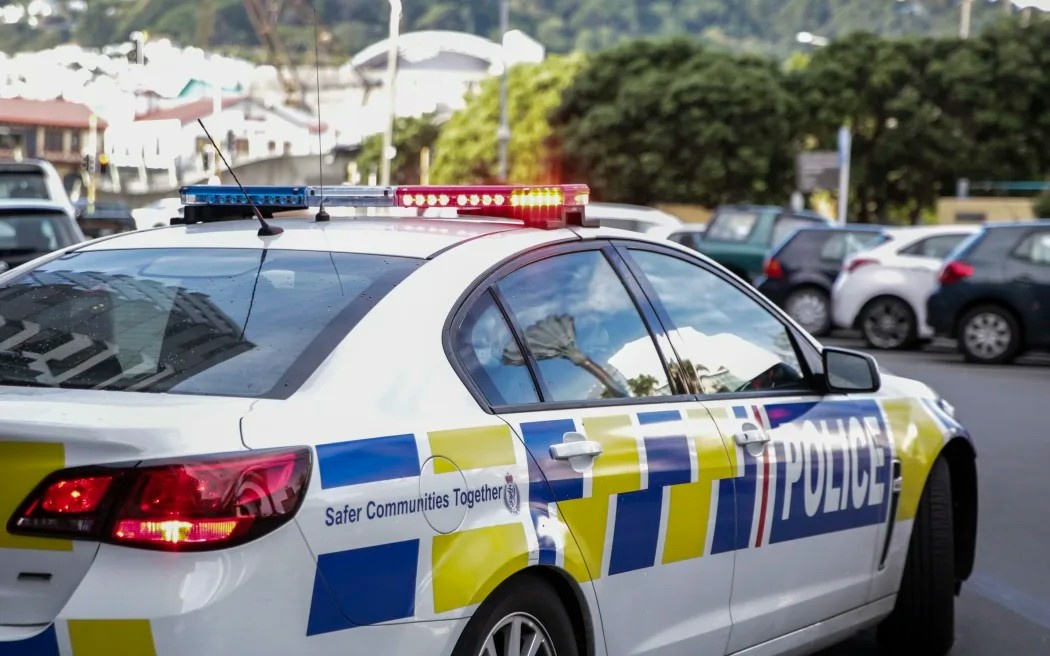
New Zealand’s driver licensing system is set for its biggest overhaul in more than a decade, with the government announcing a series of changes aimed at making the process simpler, more affordable, and more focused on real driving experience.
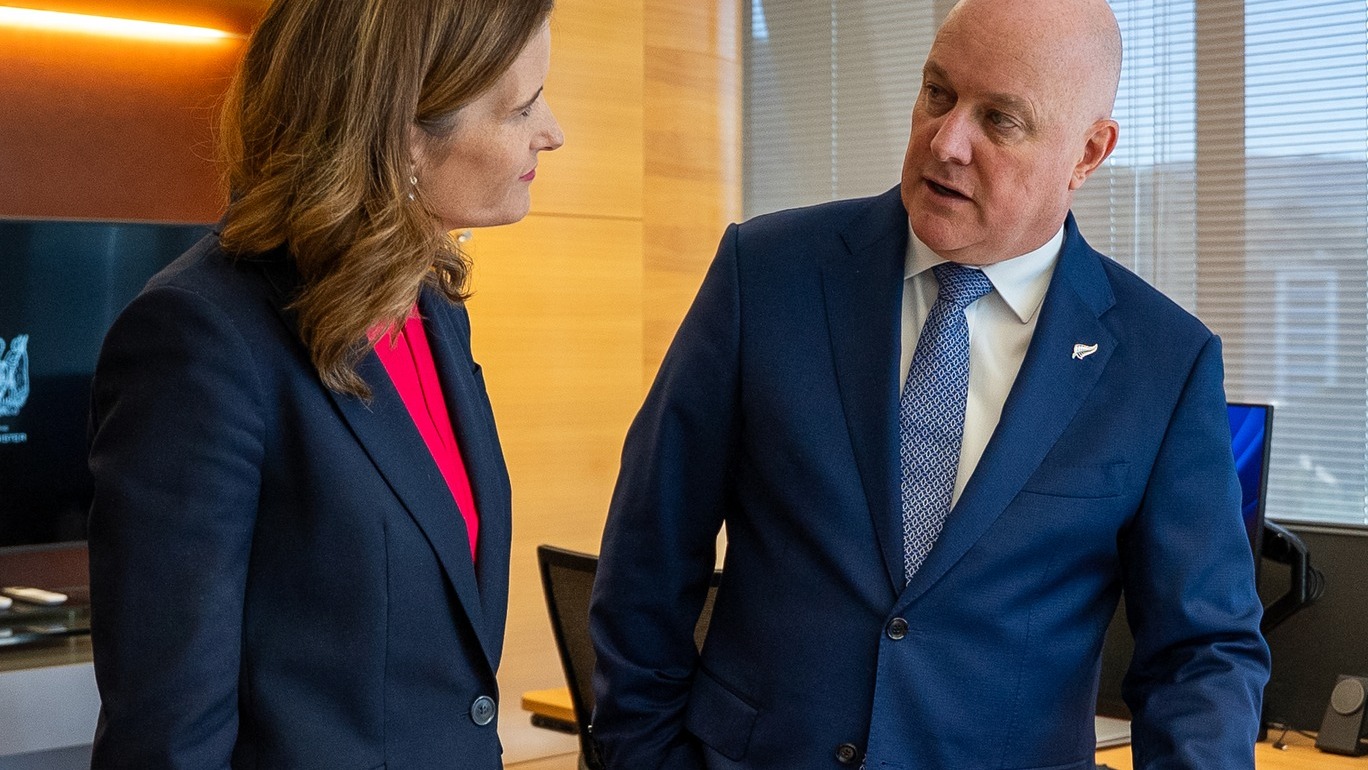
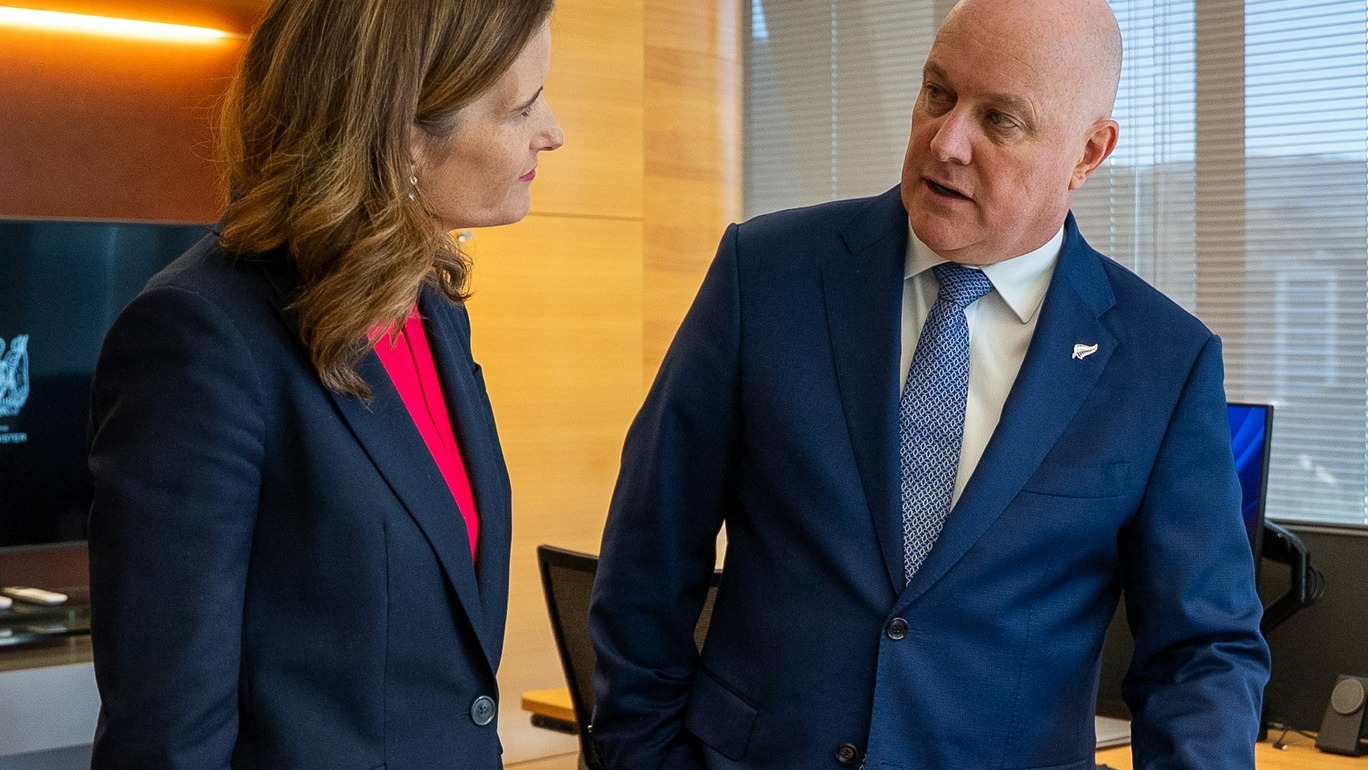
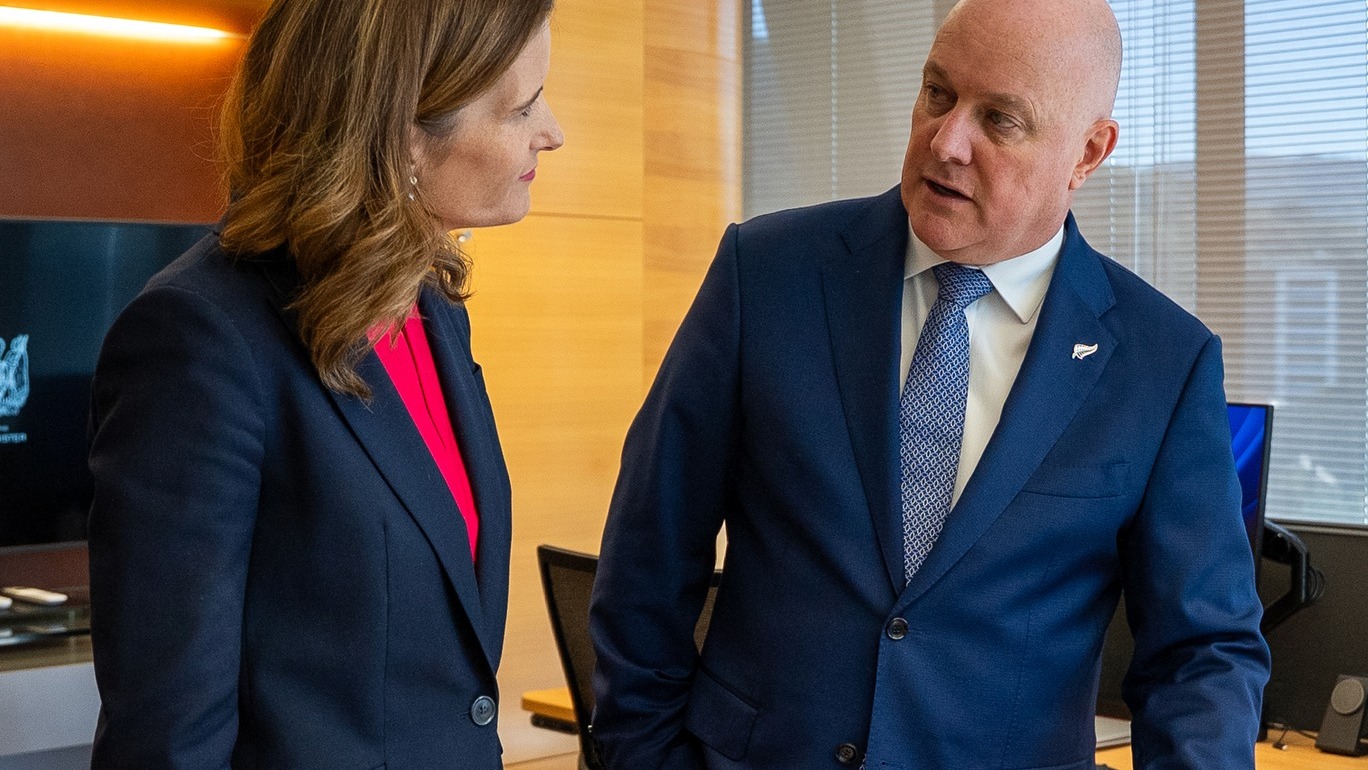
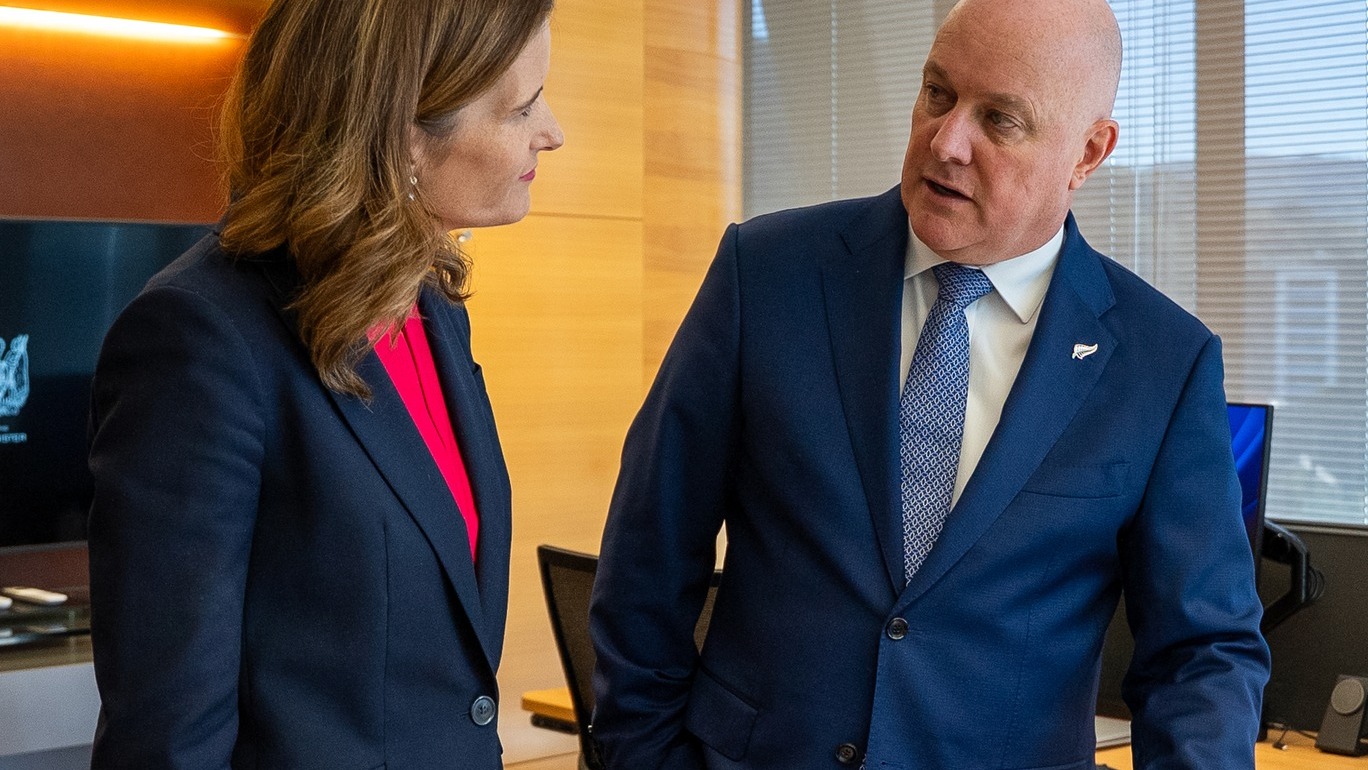
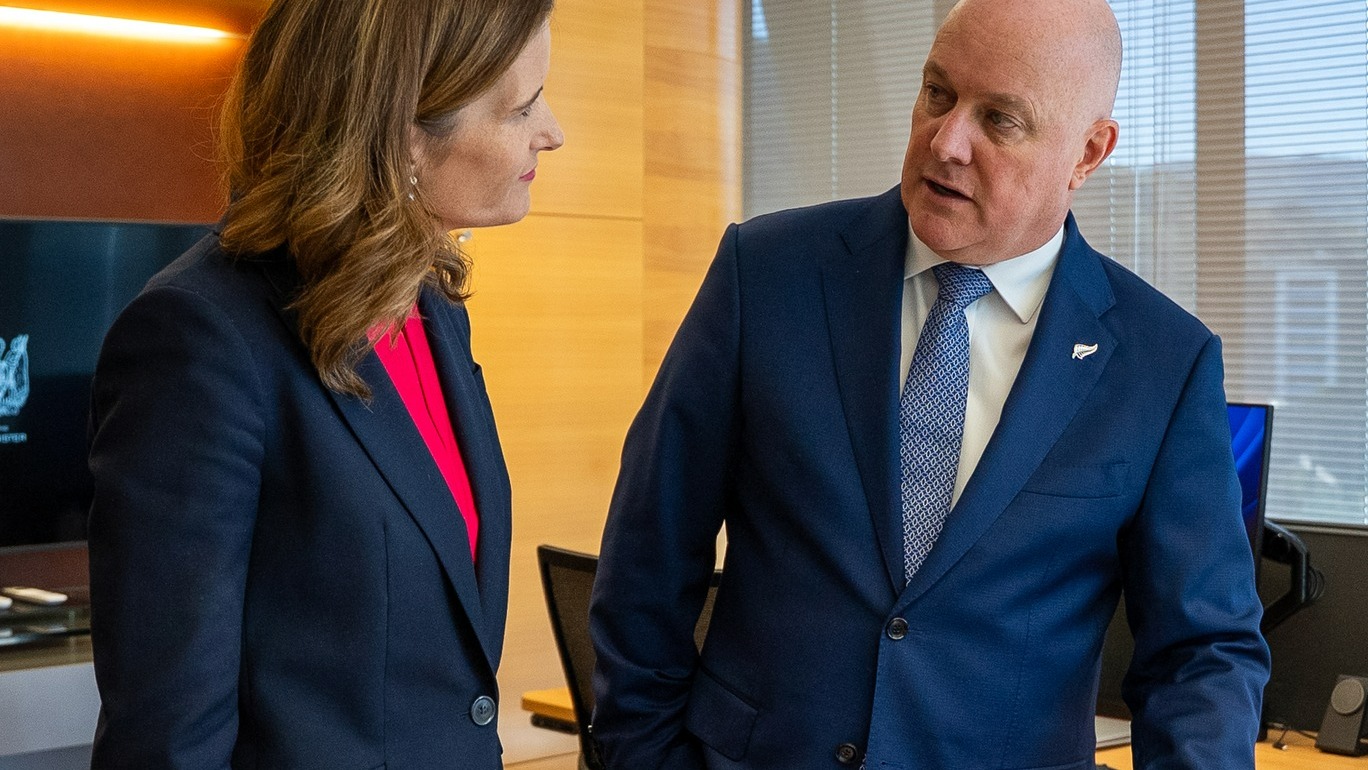
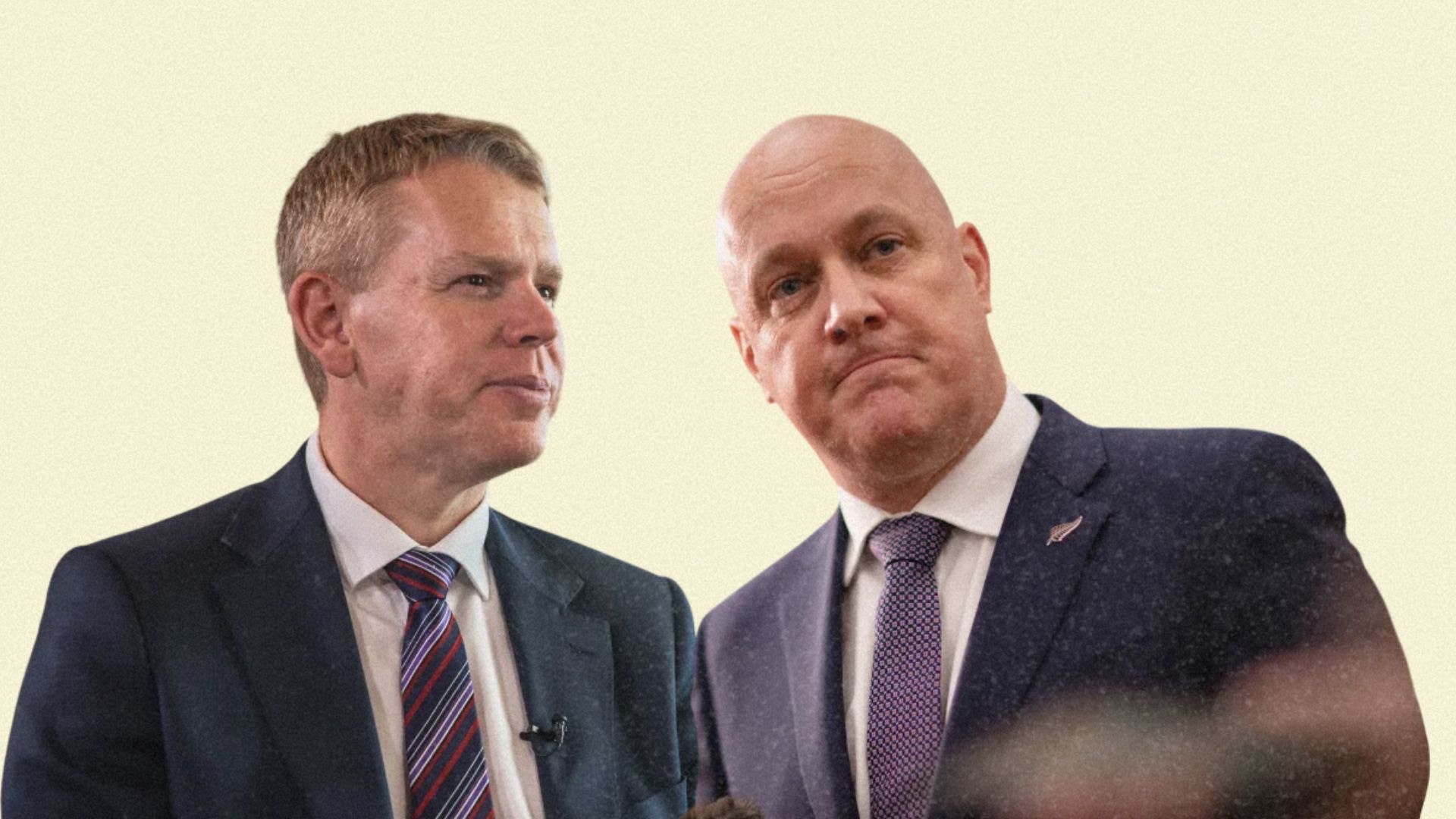
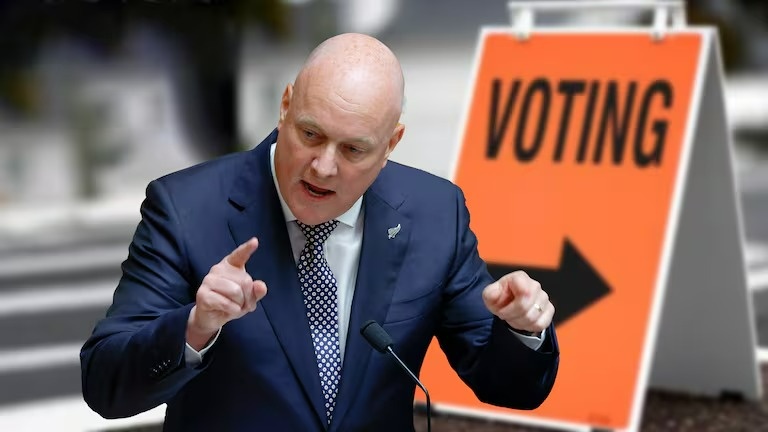
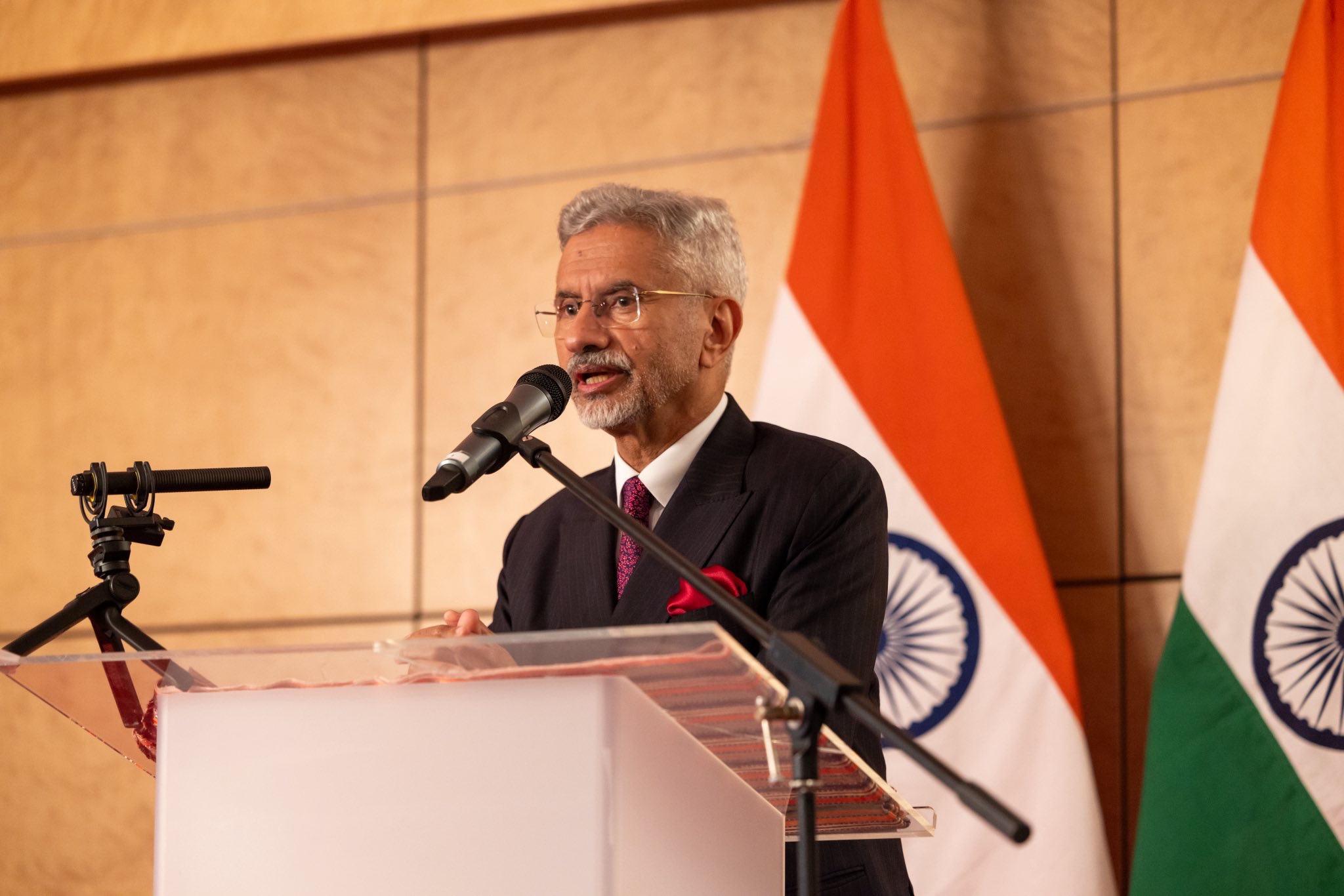
Transport Minister Chris Bishop outlined the new framework during an announcement in Auckland, saying the current system is “expensive, outdated and no longer works as well as it should.” Under the revised model, drivers will no longer be required to sit a second practical test to obtain a full licence—a move Bishop says will reduce costs and bring New Zealand in line with international practice.
According to the minister, New Zealand is one of the few countries that still requires a second test between the restricted and full licence stages. Scrapping that requirement, he said, will ease the path to full licensing while still ensuring that safety remains central to the system.
“Removing the second practical test reduces costs and makes it easier to progress, provided drivers demonstrate safe behaviour while on their restricted licence,” Bishop said.
teachers More than $5,000 has been raised through a community appeal launched by content creator and influencer Eliki Dakuitoga to provide emergency financial support to teachers affected by the recent salary stoppage.
Investments promising social or environmental benefits need tougher anti-greenwashing rules Investment funds increasingly promise to deliver social or environmental benefits alongside financial returns. Regulators rightly ask if these “impact investment” claims are accurate. But we also need to ask what happens when an investment’s promised impact fails to materialise,
this is a new story this is a new story
The government says the new structure balances accessibility with safety, incorporating public feedback gathered during last year’s consultation process. Several proposals were adjusted, including requiring young drivers to spend more time on their learner licence and modifying how demerits affect restricted licence timelines.
What’s Changing
- No second test: Drivers moving from restricted to full will no longer need a practical test (Class 1 only).
- Longer learner period for under-25s: Minimum 12 months, up from six.
- Option to reduce learner time: Under-25s can shorten the 12-month period to six months through recorded practice hours or an approved course.
- New restricted periods: 12 months for under-25s, six months for over-25s; defensive driving courses will no longer shorten these.
- Cheaper licensing: Total cost of obtaining a Class 1 licence will drop by $80.
- Stricter consequences for demerits: Drivers who incur demerits on a restricted licence will be required to stay on it for an extra six months.
- Fewer eyesight checks: Screenings will be required only at the first licence and then at each renewal (Class 1 and 6).
- Zero alcohol limit: All learner and restricted drivers, regardless of age, will be subject to a zero-alcohol rule.
- More oversight: NZTA will have expanded powers to monitor and suspend training providers.
There will be no changes for overseas or senior drivers. NZTA will still review the learner and restricted tests themselves.
The new system is scheduled to take effect from 25 January 2027, while the zero-alcohol rule will be introduced separately. A review after three years will assess the reform’s impact on safety, employment, and economic outcomes.
Reactions from Road Safety Groups
The AA views the overhaul as a chance to strengthen early driver education. AA road safety spokesperson Dylan Thomsen says the shift in focus toward experience—rather than simply time—will benefit young drivers.
“Time alone doesn’t make safer drivers – experience does,” Thomsen said. “A longer learner period, combined with incentives to gain real driving experience or professional training, gives young drivers a much better chance of developing the skills they need.”
Concerns Raised by Driving Instructors
Some driving educators, however, are uneasy about dropping the full licence test. New Zealand Institute of Driver Educators president and instructor Mark Revill-Johnson told Checkpoint that around 40 percent of applicants currently fail the full test, often due to basic errors that could cause crashes.
He worries that without the final assessment, unsafe drivers may be missed.
“These are situations when drivers are hopefully on their best behaviour. You have to wonder what they would be like outside of that situation,” he said.
Still, Revill‑Johnson supports stronger emphasis on early-stage driver training and suggests a collaborative approach between instructors, parents, and learners as details around recorded practice hours are finalised.
He believes the intention behind the changes is positive but wishes New Zealand had taken a more innovative approach to modernising the licensing system.