
India-NZ FTA: Winston is right and wrong in his immigration anxiety
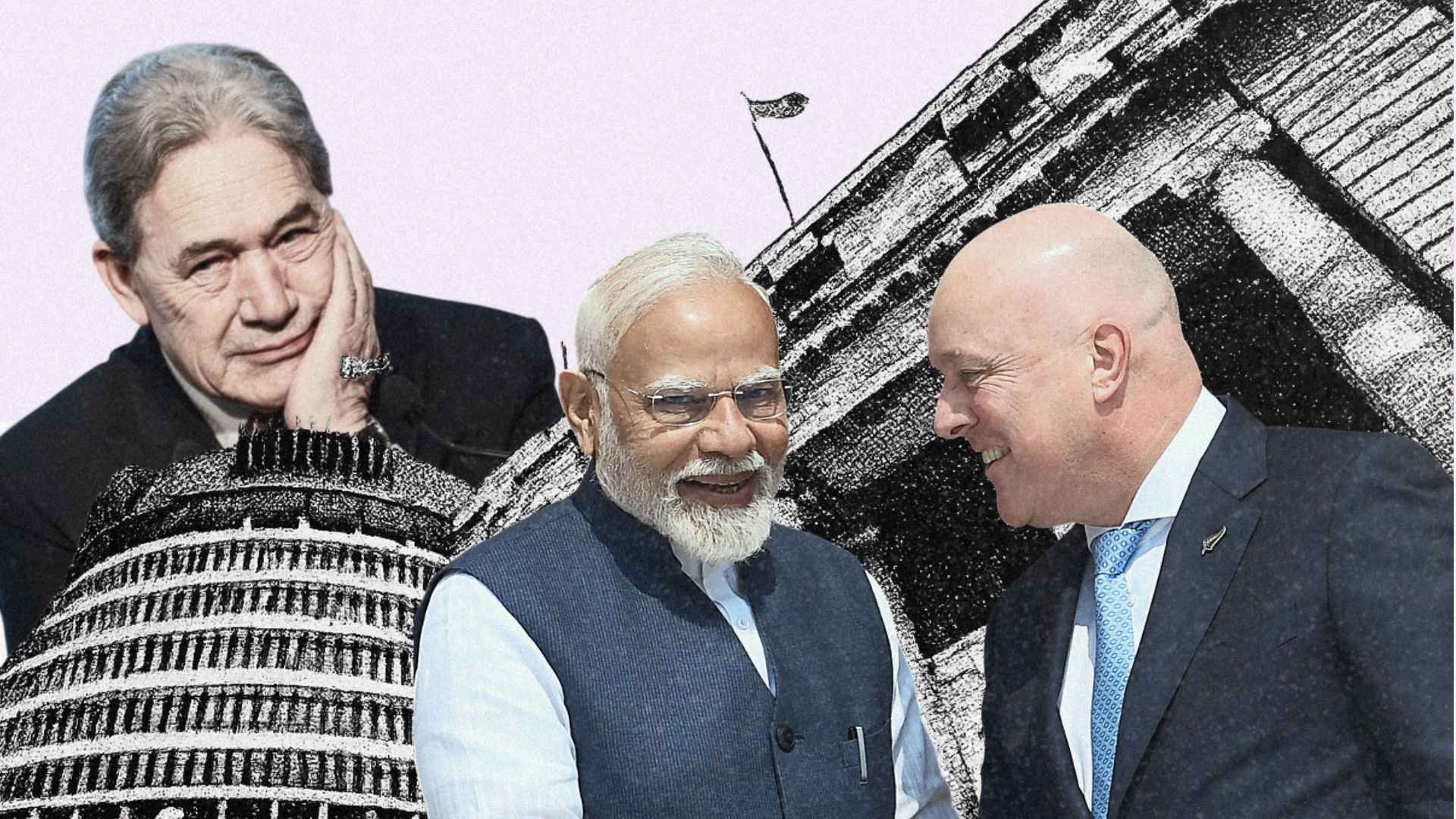
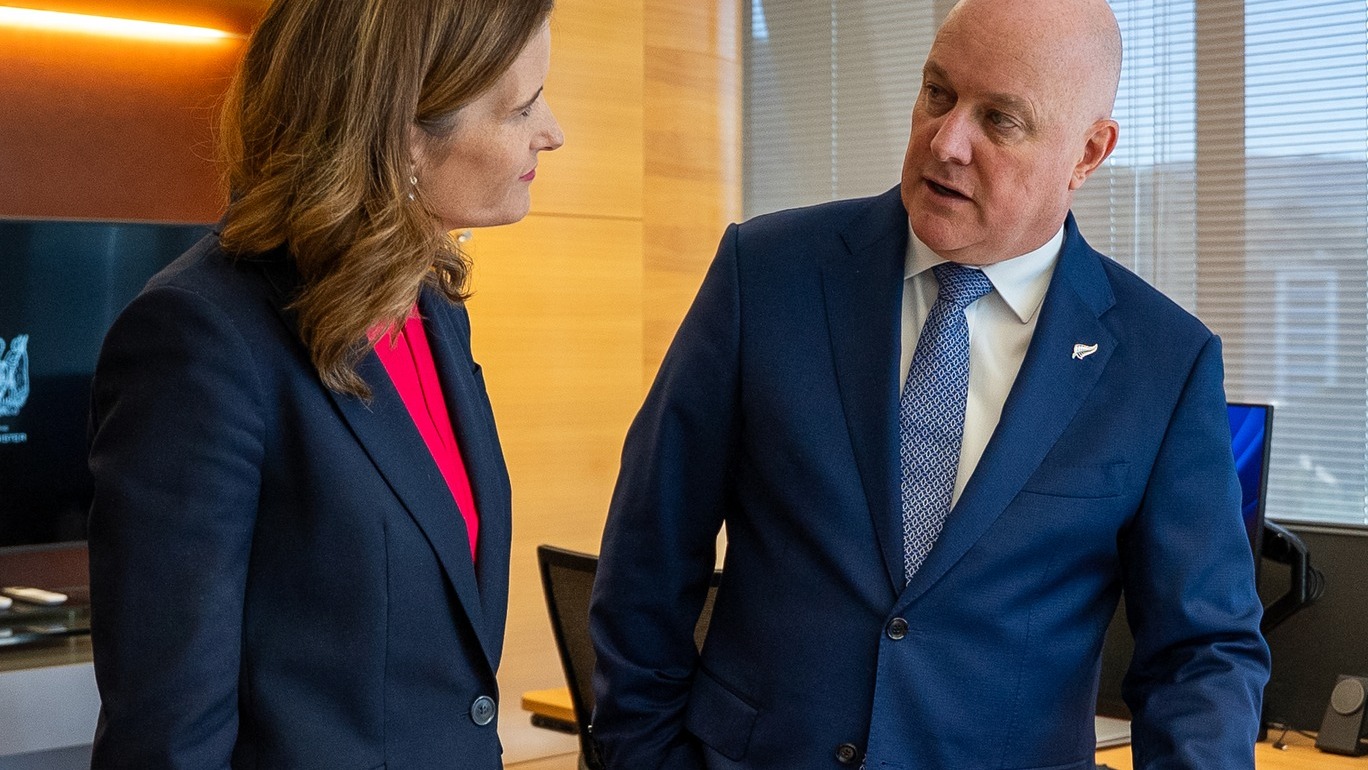
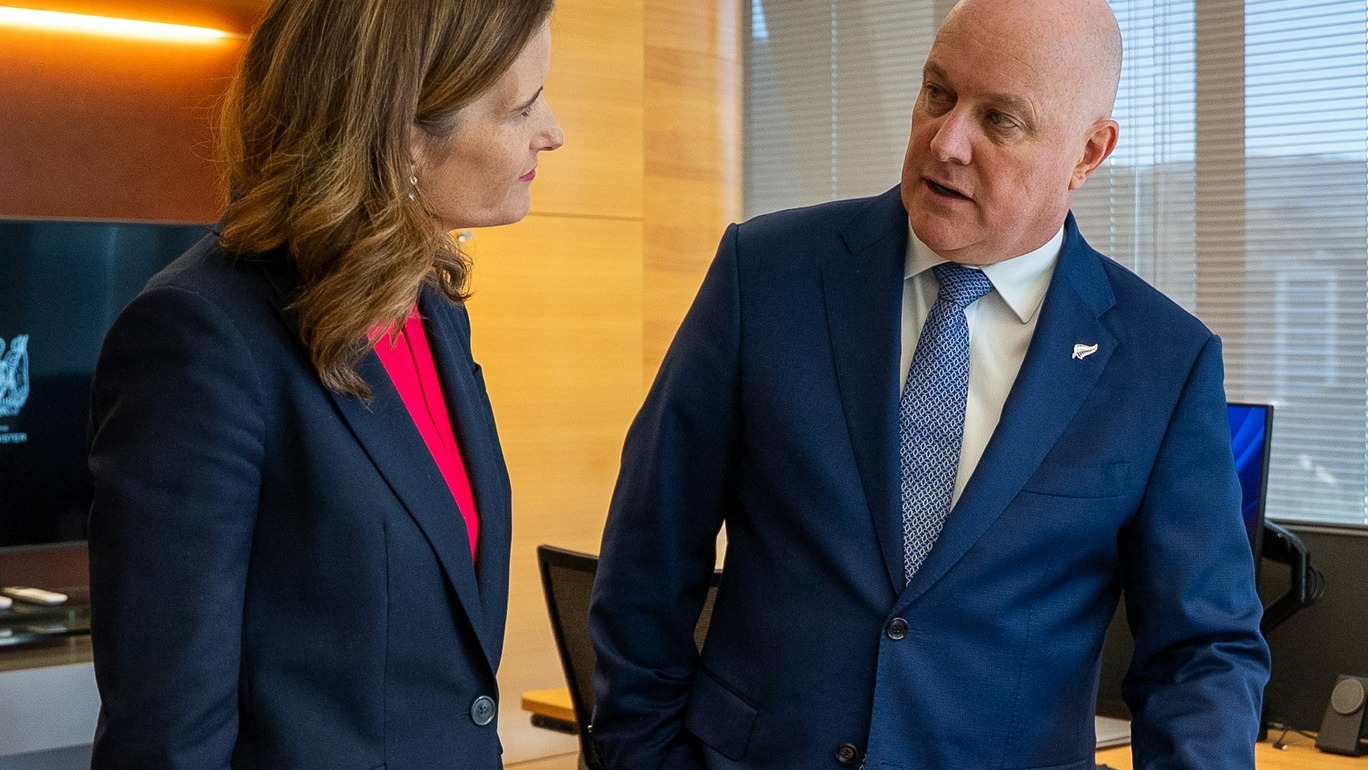
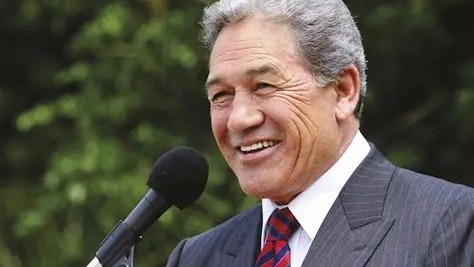
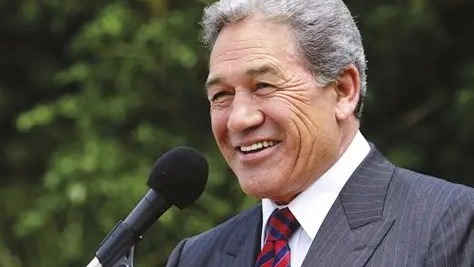
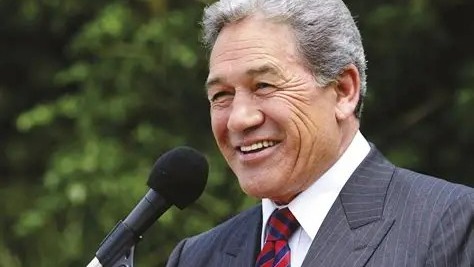
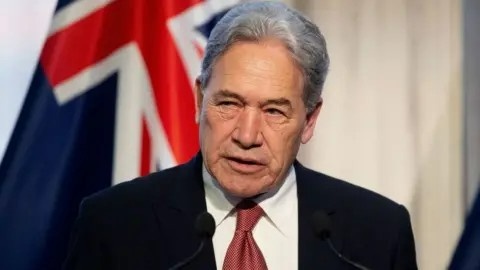
Winston Peters is leading the skepticism brigade around the deal.
The public discourse over the deal is now snowballing into a controversy, with migration being the key driver of much of the skepticism.
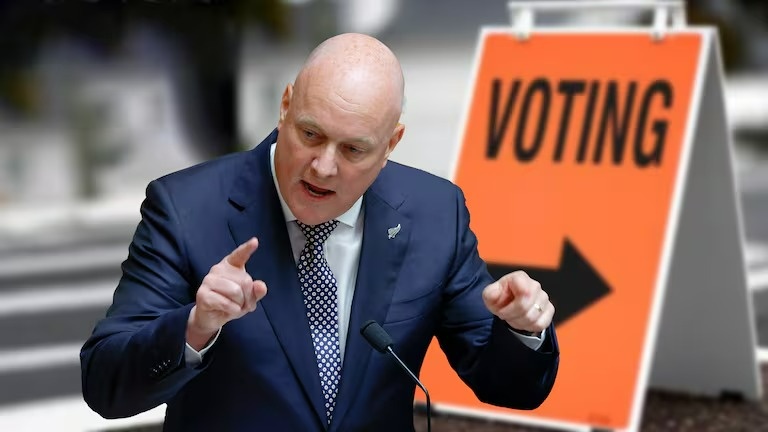
Opinion: The India-New Zealand Free Trade Agreement (FTA) is not yet signed, but it has already become a lightning rod for migrant skepticism, especially the one flowing from politicians. New Zealand First leader Winston Peters and deputy Shane Jones are running hard on the idea that the deal smuggles an “unprecedented” people pipeline into what should be a straightforward tariff swap.
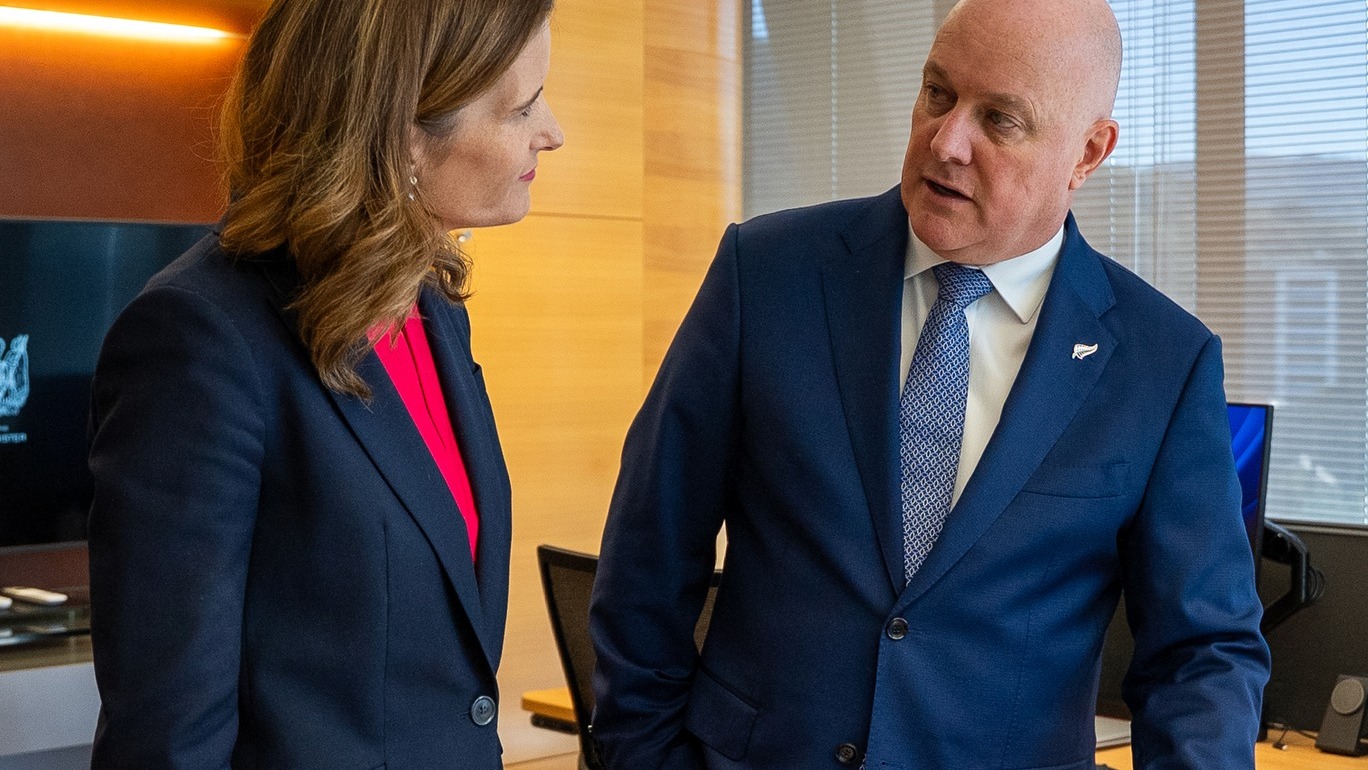
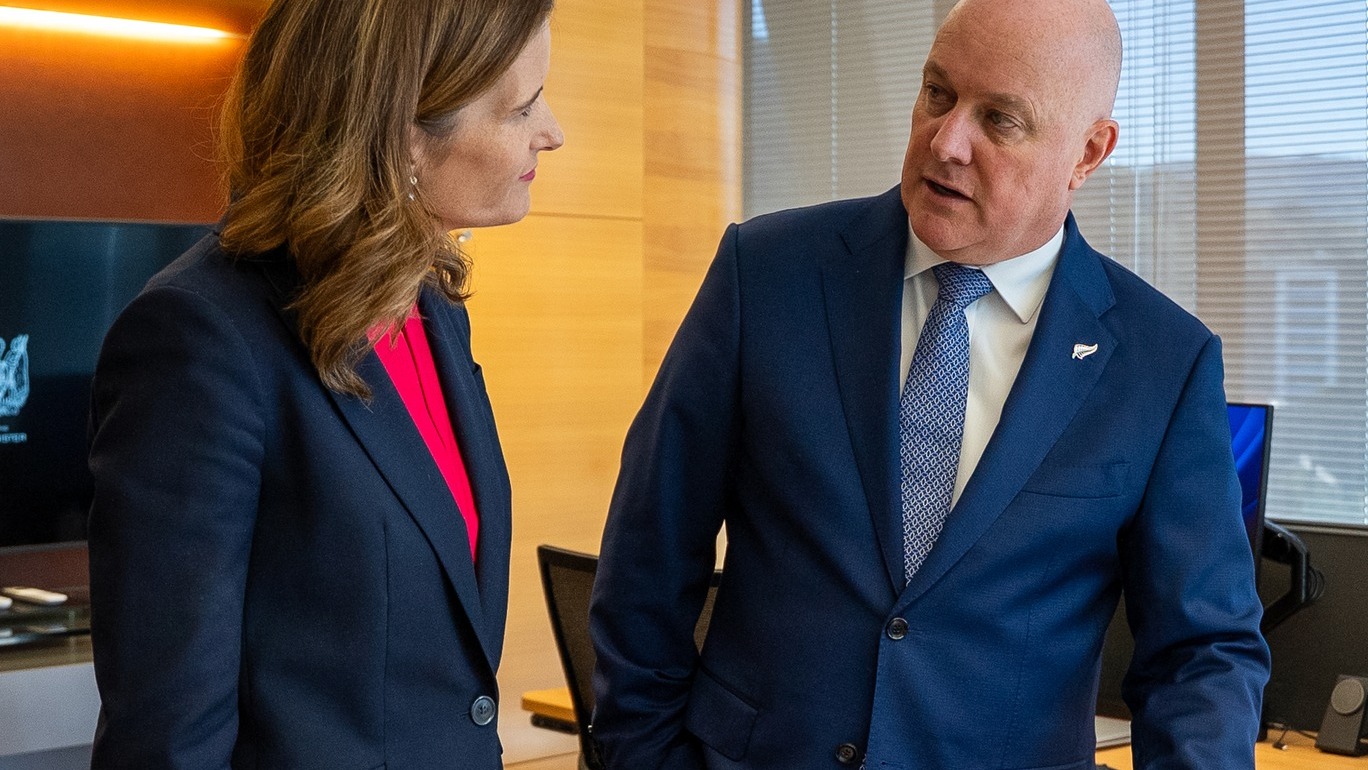
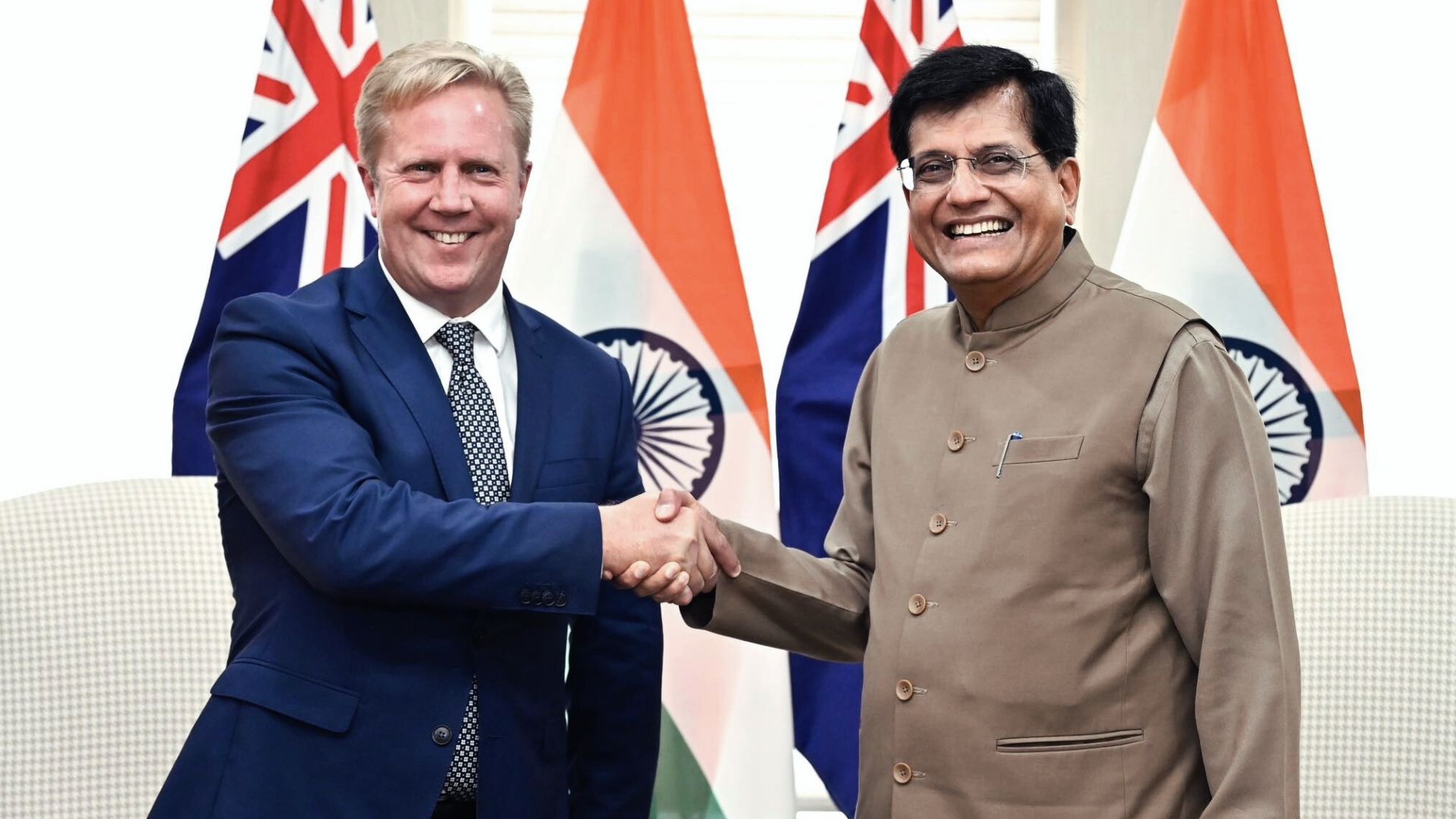
On the other end of that spectrum, of course, is trade minister Todd McClay, the deal's architect. He has largely sought to reassure New Zealanders the deal provides only temporary work rights, and a cap on how many Indians can hold that visa at a given time.
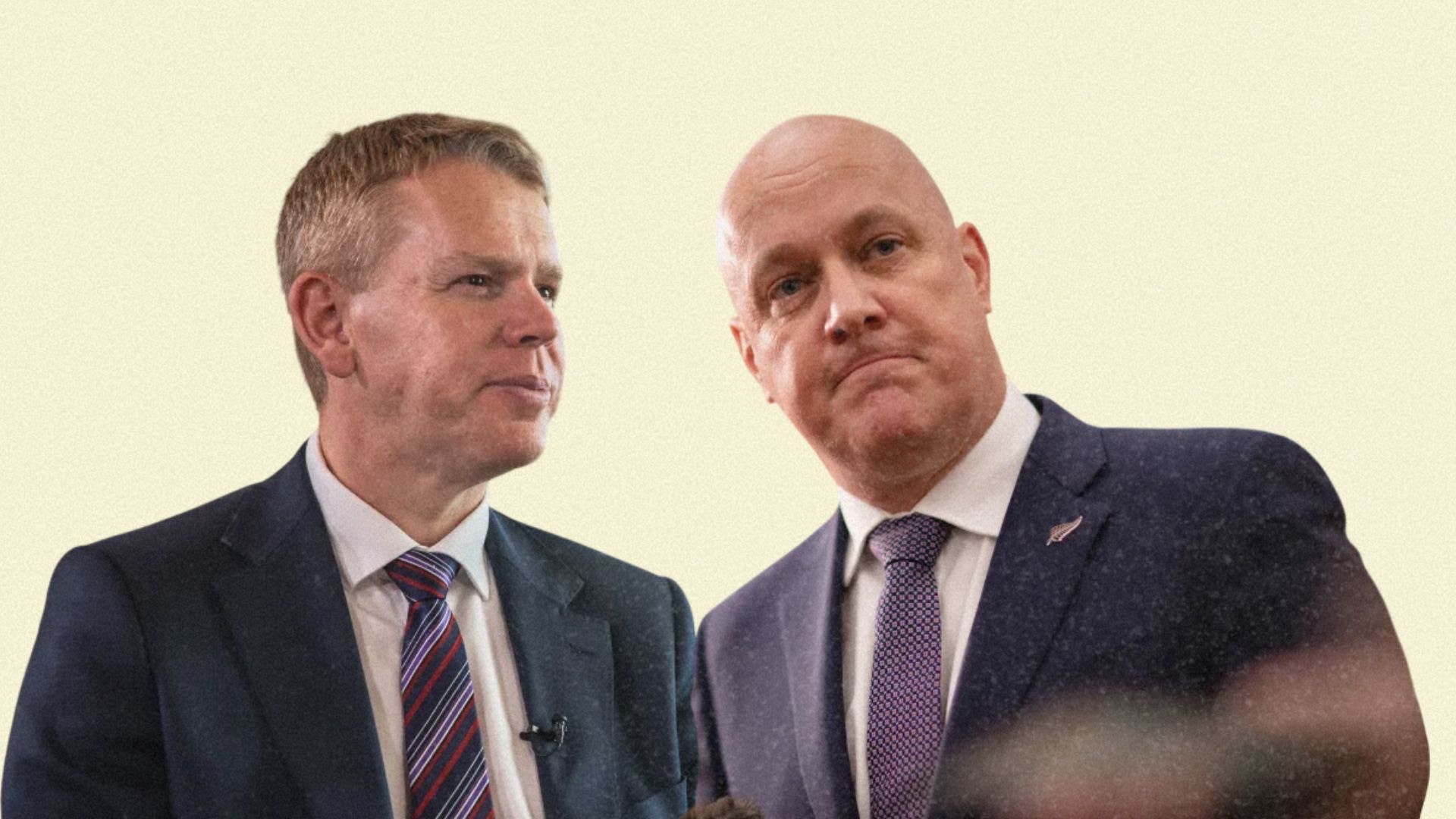
Opposition leader Chris Hipkins is staying in the middle, for now, as his Labour Party caucus weighs both the claims. The future of the deal rests solely on his party because the agreement can be enforced only with Parliament's approval, and Peters has said New Zealand First won't support it.
An unlikely sane voice has emerged in these early days of chaos: Winston Peters. The foreign minister made a long social media post on the topic on January 29, in which he seems to have made points that seem both right and potentially wrong.
teachers More than $5,000 has been raised through a community appeal launched by content creator and influencer Eliki Dakuitoga to provide emergency financial support to teachers affected by the recent salary stoppage.
Investments promising social or environmental benefits need tougher anti-greenwashing rules Investment funds increasingly promise to deliver social or environmental benefits alongside financial returns. Regulators rightly ask if these “impact investment” claims are accurate. But we also need to ask what happens when an investment’s promised impact fails to materialise,
this is a new story this is a new story
The one thing he gets bang on is that India is indeed celebrating the work rights this FTA seemingly affords. He says, "Indian Government has itself described the FTA as providing 'unprecedented mobility opportunities for Indian professionals, students' and has noted that the temporary employment opportunities offered to Indian citizens are unprecedented."
A detailed analysis in this article illustrates how the New Zealand government seems to be underplaying the labour mobility that India seems quite pleased about. Peters is also correct that "there has been a lot of talk about Indian FTA and not much comprehension about what the consequences are for New Zealand".
The government can't make the entire text of the agreement public until it's signed and sealed. That's the norm and nothing seems wrong with that. But surely the government must have projected (even if ballpark) the impact the deal will have on migration? Any long-term policy decision like this must surely have been measured against the larger impact on the wellbeing of New Zealanders.
The public discourse over the deal is now snowballing into a controversy, with migration being the key driver of much of the skepticism. The government can meaningfully inform that discussion by sharing details of that particular clause, and also its own assessment of the long-term impact on the country's population.
The absence of such clarity leads to the kind of speculation that Winston Peters gets ostensibly wrong. In the same Facebook post he says, "Given a standard family size of two parents and two children, this means 20,000 people in New Zealand at any one time under the new visa which has been created exclusively for Indian citizens."
That may not be totally right. And even if that sounds fairly reasonable, it is too simplistic and doesn't capture the big picture. From what we know so far, the deal allows a maximum of 5,000 Indians on the special temporary work visa at any given time for up to three years, and without the ability to extend the visa. But they can always apply for residency under different immigration settings.
Like Peters, we did our own projections on the long-term migration impact of the India FTA. You can read that story here. We were limited by the same lack of details that Peters must have struggled with when doing his assessment. Even with the most liberal immigration assumptions, our assessment estimates a modest increase in the country's population. But it's nowhere close to the Indian migrant apocalypse that Peters' colleague Shane Jones is forecasting.
Peters is right in questioning the lack of clarity from the government over the deal. He is also prudent. Any long-term policy setting that has the potential to even modestly impact New Zealand's population growth must be considered with the attention and care it deserves.
It isn't unreasonable to expect Prime Minister Christopher Luxon and minister McClay to be more forthcoming on this count. If not for anything else, perhaps for the sake of social harmony?