
Taxi operators, drivers wants current taxi fares retained
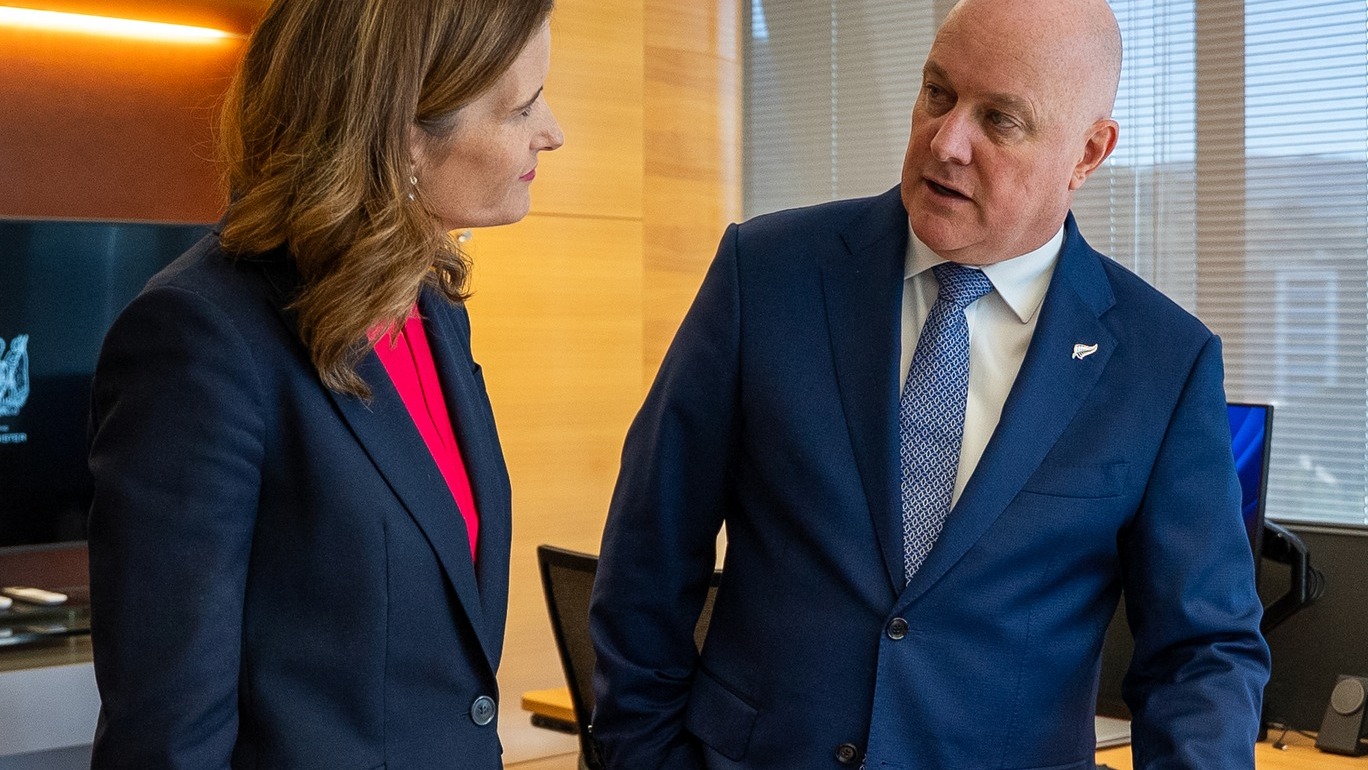
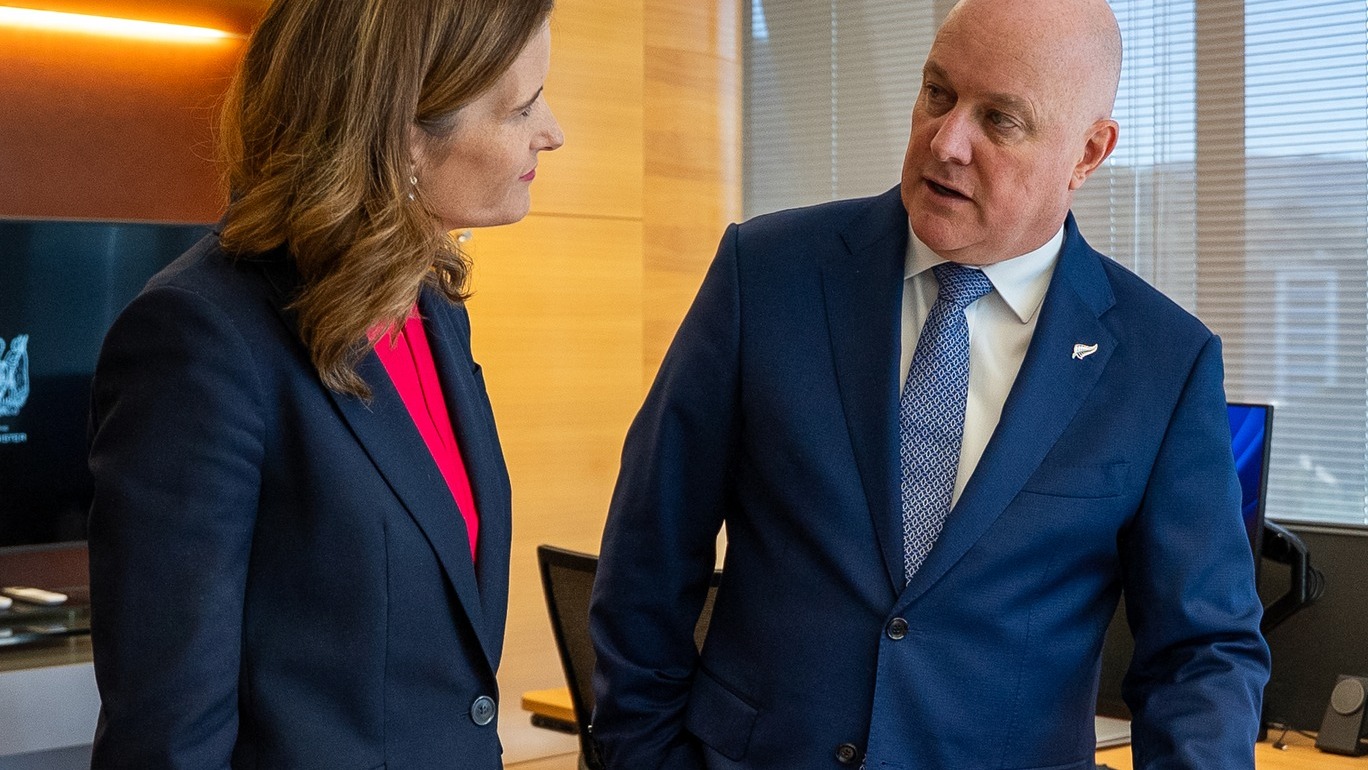
luxon with pm
The Fiji Taxi Association (FTA) has called on the Fiji Commerce Commission (FCCC) to retain current taxi fares and conduct a comprehensive review of the industry’s fare structure, citing rising operating costs and concerns over a proposed temporary fuel-based fare.
The Fiji Taxi Association (FTA) has called on the Fiji Commerce Commission (FCCC) to retain current taxi fares and conduct a comprehensive review of the industry’s fare structure, citing rising operating costs and concerns over a proposed temporary fuel-based fare.
FTA president Mohamed Faiyaz said temporary fare changes would impose additional costs on operators through meter recalibration, while fuel prices alone could not provide a sustainable basis for determining fares.
The FCCC said it had received submissions from individual taxi operators and taxi associations and was undertaking a reconciliation exercise following its decision to revert fares.
Related stories
- From Yat Sen classroom to global telecoms career: Peter Chan comes home
- New Waiyevo branch strengthens Merchant Finance presence in Taveuni
“The Commission will formally inform operators on its decision in due course, and we acknowledge the submissions provided to FCCC,” it said.
teachers More than $5,000 has been raised through a community appeal launched by content creator and influencer Eliki Dakuitoga to provide emergency financial support to teachers affected by the recent salary stoppage.
Investments promising social or environmental benefits need tougher anti-greenwashing rules Investment funds increasingly promise to deliver social or environmental benefits alongside financial returns. Regulators rightly ask if these “impact investment” claims are accurate. But we also need to ask what happens when an investment’s promised impact fails to materialise,
this is a new story this is a new story
Mr Faiyaz said the last full taxi fare review was conducted in 2011, while the 2022 adjustment only covered flag-fall and waiting charges.
“Since then, the FTA has continued to request a proper and comprehensive review of taxi fares,” he said.
He said the review should consider increases in vehicle prices, spare parts, repairs, insurance, drivers’ earnings and the cost of living.
The Association also questioned conflicting information about the duration of the temporary fare, with the FCCC media release stating it was effective from July 1, while the official letter indicated a three-month period.
“If the temporary fare ends on October 1, taxi operators may require several weeks, potentially close to a month, to have their meters recalibrated,” Mr Faiyaz said.
He said operators could face difficulties complying with approved fares if recalibration was not completed before the temporary fare expired.
The FTA is calling for the current fare to remain in place while the FCCC and Government undertake a review aimed at establishing a fair and sustainable fare structure for taxi operators and drivers.
The Fiji Taxi Association (FTA) has called on the Fiji Commerce Commission (FCCC) to retain current taxi fares and conduct a comprehensive review of the industry’s fare structure, citing rising operating costs and concerns over a proposed temporary fuel-based fare.
FTA president Mohamed Faiyaz said temporary fare changes would impose additional costs on operators through meter recalibration, while fuel prices alone could not provide a sustainable basis for determining fares.
The FCCC said it had received submissions from individual taxi operators and taxi associations and was undertaking a reconciliation exercise following its decision to revert fares.
Related stories
- From Yat Sen classroom to global telecoms career: Peter Chan comes home
- New Waiyevo branch strengthens Merchant Finance presence in Taveuni
“The Commission will formally inform operators on its decision in due course, and we acknowledge the submissions provided to FCCC,” it said.
Mr Faiyaz said the last full taxi fare review was conducted in 2011, while the 2022 adjustment only covered flag-fall and waiting charges.
“Since then, the FTA has continued to request a proper and comprehensive review of taxi fares,” he said.
He said the review should consider increases in vehicle prices, spare parts, repairs, insurance, drivers’ earnings and the cost of living.
The Association also questioned conflicting information about the duration of the temporary fare, with the FCCC media release stating it was effective from July 1, while the official letter indicated a three-month period.
“If the temporary fare ends on October 1, taxi operators may require several weeks, potentially close to a month, to have their meters recalibrated,” Mr Faiyaz said.
He said operators could face difficulties complying with approved fares if recalibration was not completed before the temporary fare expired.
The FTA is calling for the current fare to remain in place while the FCCC and Government undertake a review aimed at establishing a fair and sustainable fare structure for taxi operators and drivers.